The Ultimate Guide to High-Quality Coating Inspection


Ensuring the longevity and performance of coatings, whether for industrial, commercial, or residential purposes, requires a meticulous inspection process. A high-quality coating inspection can prevent costly failures and maintain the integrity of the surfaces it protects. In this guide, we will explore the essential components of a thorough coating inspection.
Understanding Coating Inspection
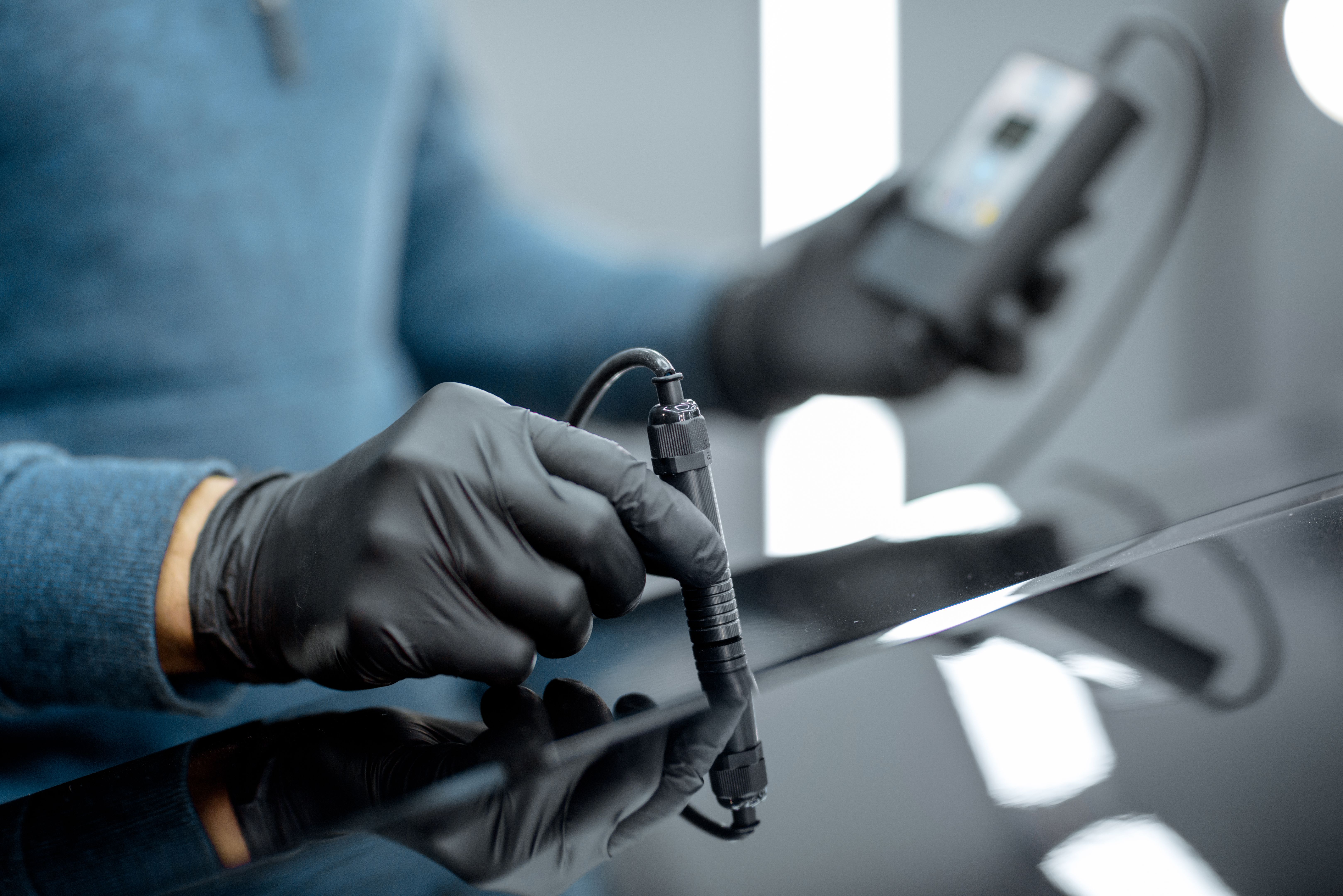
Coating inspection involves a series of assessments conducted before, during, and after the application of a coating. The primary goal is to ensure that the coating is applied correctly, adheres well, and provides the intended protection. This process is crucial for maintaining the safety and performance of the coated surface.
Importance of Inspection
An effective inspection process can identify potential issues early, saving time and resources. By detecting problems such as improper surface preparation or application errors, inspectors can recommend corrective actions before the coating fails. This proactive approach safeguards against deterioration and extends the lifespan of the surface.
Pre-Inspection Considerations
Before starting the inspection, it is essential to understand the specific requirements of the coating project. This includes reviewing the project specifications, environmental conditions, and surface materials. Inspectors should also be familiar with the tools and techniques used in the inspection process.

Surface Preparation
Surface preparation is one of the most critical steps in ensuring effective adhesion. Inspectors must verify that the surface is clean, dry, and free from contaminants. This step often involves checking for dust, grease, or moisture, which can interfere with the coating's performance.
Inspection During Application
During the coating application, inspectors monitor the process to ensure compliance with industry standards and project specifications. They check parameters such as temperature, humidity, and application methods to ensure optimal conditions.
Application Techniques
Inspectors must ensure that the correct application techniques are used, whether spraying, rolling, or brushing. Proper technique ensures that the coating is applied evenly and at the right thickness, which is crucial for its protective qualities.
Post-Application Inspection
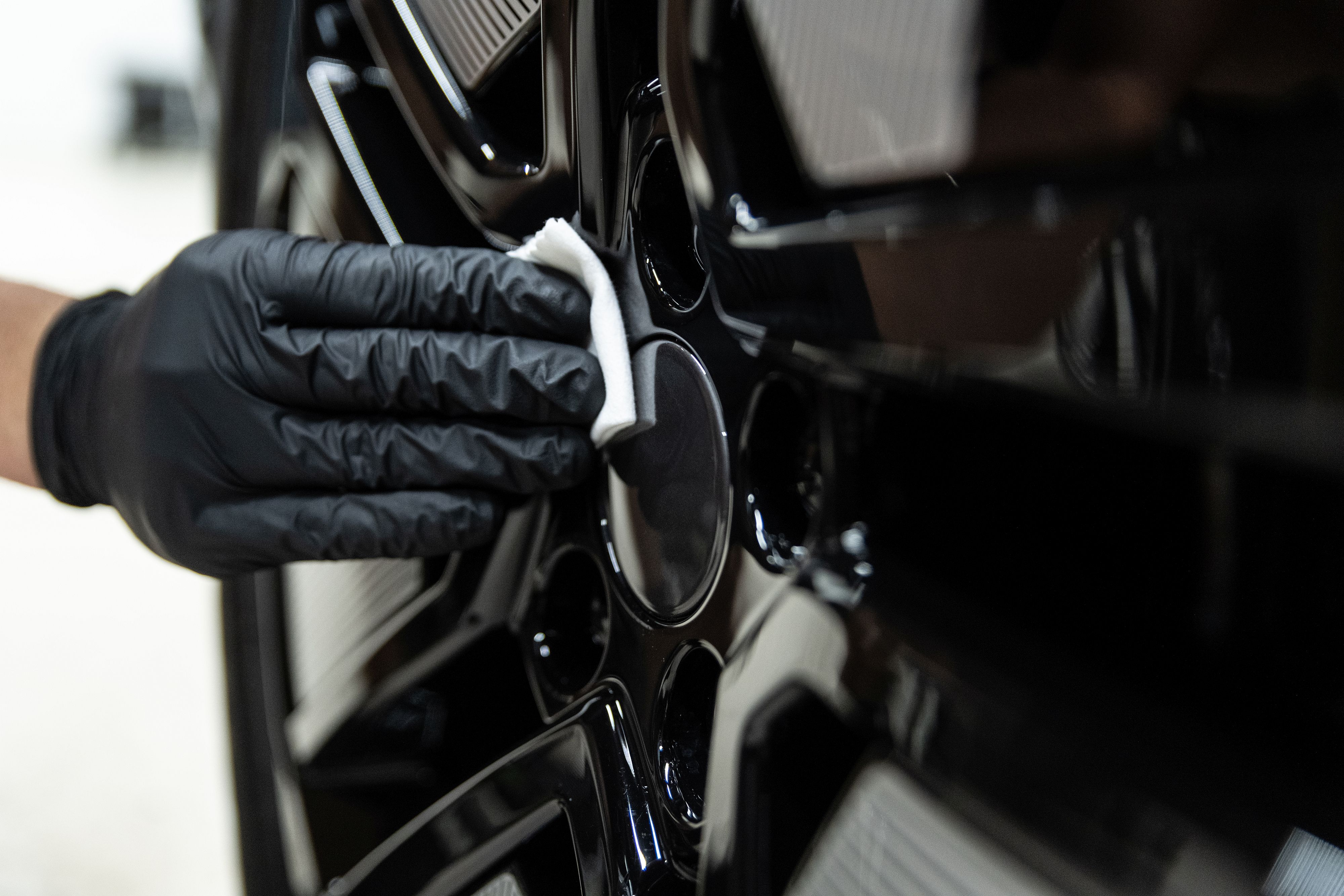
After the coating has been applied, thorough post-application inspections are necessary. Inspectors measure the coating's thickness and check for defects like bubbles, cracks, or uneven coverage. These inspections confirm that the coating meets all specifications and is ready for use.
Documentation and Reporting
Comprehensive documentation is vital throughout the inspection process. Detailed reports provide a record of compliance with standards and help track the coating's performance over time. These records are invaluable for future maintenance and inspections.
In conclusion, a high-quality coating inspection is a detailed and systematic process that plays a crucial role in ensuring the durability and effectiveness of coatings. By following these guidelines, inspectors can help prevent failures and extend the life of coated surfaces.