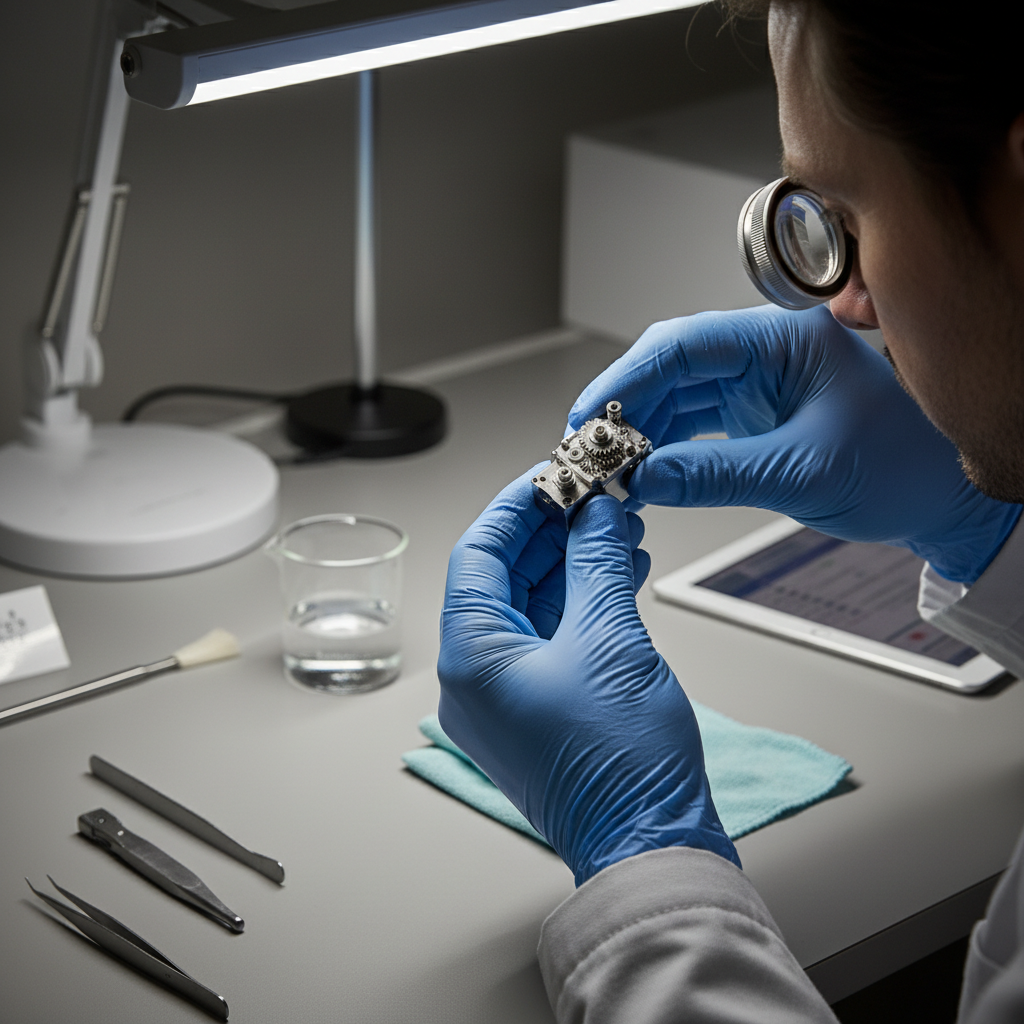
The Ultimate Guide to Coating Inspection: What You Need to Know


Understanding Coating Inspection
Coating inspection is a crucial process in maintaining the integrity and longevity of various structures, from bridges to pipelines. It involves evaluating the quality and application of protective coatings to prevent corrosion and other damage. Proper inspection can save money, ensure safety, and extend the life of assets.
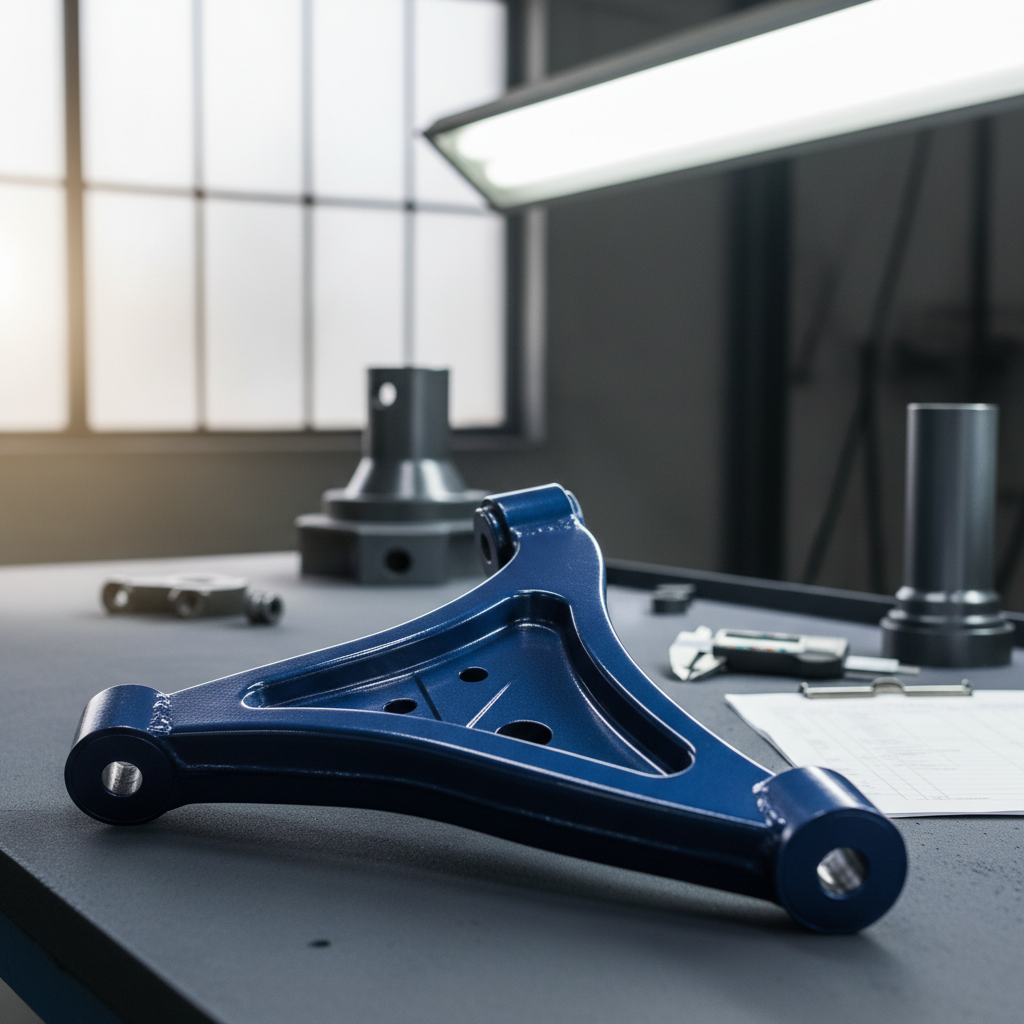
The Importance of Coating Inspection
Coating failures can lead to costly repairs and potential safety hazards. By conducting thorough inspections, you can identify issues before they escalate. Inspections help in verifying if the coating has been applied correctly and meets the required standards. This proactive approach is essential for industries reliant on durable materials.
Regular inspections ensure that coatings perform their intended function. They help detect early signs of wear and tear, allowing for timely maintenance. This process significantly contributes to reducing downtime and operational disruptions.
Key Elements of a Coating Inspection
Several components make up a comprehensive coating inspection. Inspectors look at surface preparation, application techniques, and the environmental conditions at the time of application. Each element plays a vital role in the coating's effectiveness.
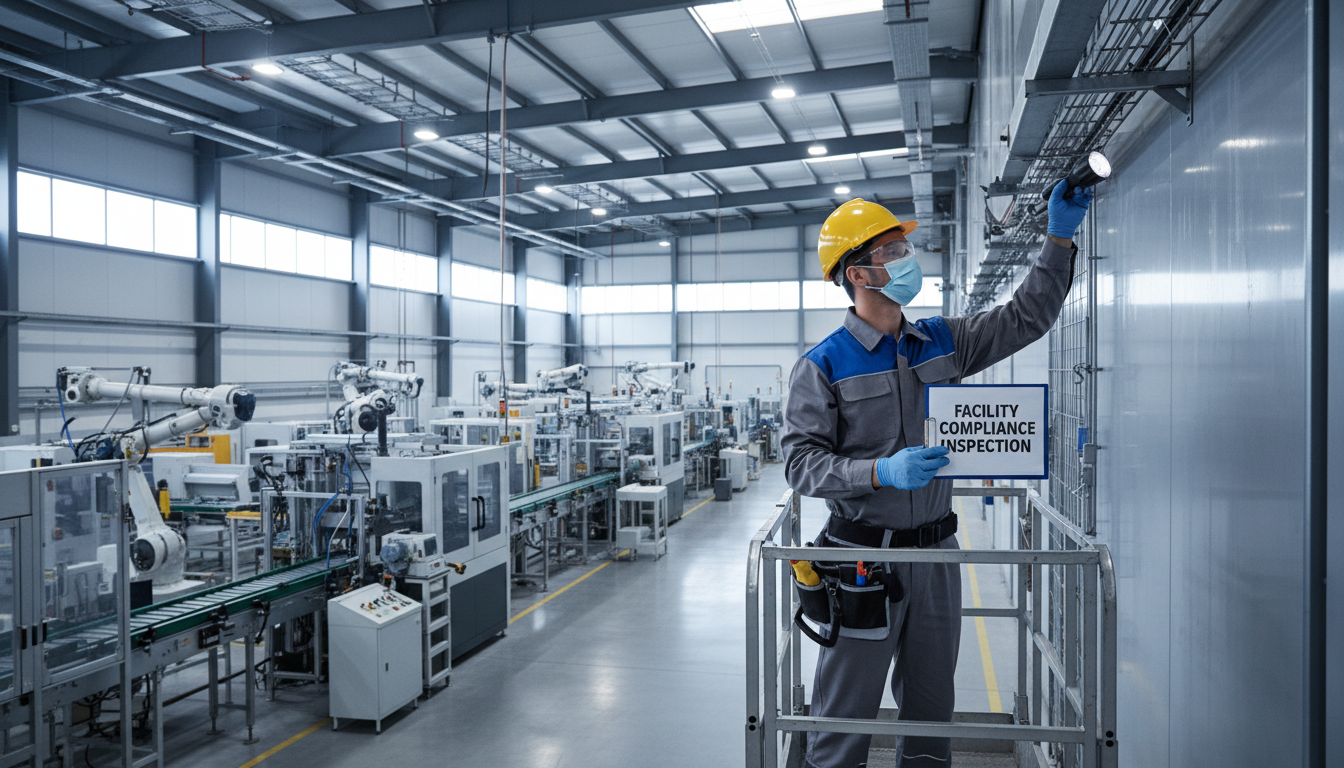
Surface Preparation
One of the most critical steps in coating inspection is assessing the surface preparation. Properly preparing a surface ensures that the coating adheres well. Inspectors check for cleanliness, roughness, and any contaminants that could affect adhesion.
- Cleanliness: The surface must be free of dust, oil, and other contaminants.
- Roughness: The correct texture allows for better adhesion.
- Contaminants: Removing any residual substances is crucial for coating success.
Application Techniques
Inspectors evaluate the methods used to apply coatings. The technique can significantly influence the coating's performance. Whether it's brush, spray, or roller application, inspectors ensure the method is suited to the material and environment.

Environmental Conditions
Environmental factors such as temperature, humidity, and wind can all impact the coating process. Inspectors assess these conditions to ensure they are within the acceptable range for the specific coating being used. This evaluation helps prevent application issues that could lead to premature coating failure.
Tools and Techniques for Inspection
Various tools and techniques are employed during coating inspections. These include visual inspections, thickness gauges, and adhesion tests. Each tool provides valuable data that helps in determining the quality and durability of the coating.
Using advanced technologies like digital imaging and non-destructive testing methods can enhance the accuracy of inspections. These tools provide detailed insights that facilitate informed decision-making regarding maintenance and repairs.