The Ultimate Guide to Coating Inspection: Ensuring Quality and Safety


In industries like construction, oil and gas, and manufacturing, coating inspection plays a crucial role in safeguarding both quality and safety. A thorough inspection ensures that coatings are applied correctly, providing protection against corrosion, environmental damage, and wear. This guide will delve into the essentials of coating inspection, offering insights into its importance and best practices.
Understanding Coating Inspection
Coating inspection is a comprehensive process aimed at evaluating the quality and effectiveness of a coating system. It involves a series of checks and tests to ensure that a coating is applied according to specified standards and will perform as expected. This is not just about aesthetics; it’s about ensuring the longevity and integrity of structures.
The Importance of Coating Inspection
Coating inspection is vital for several reasons. First, it helps prevent costly repairs that might arise from premature coating failures. Second, it ensures compliance with industry standards and regulations, which is crucial for maintaining safety and quality assurance. Finally, it plays a key role in extending the life of structures, thereby saving time and resources in the long run.
Ensuring that coatings are free from defects like blisters, pinholes, or cracks is essential. These imperfections can compromise the protective properties of the coating, leading to potential damage and increased maintenance costs.
Steps in the Coating Inspection Process
The coating inspection process typically involves several key steps:
- Pre-Inspection: This involves reviewing project specifications, understanding environmental conditions, and ensuring that the surface preparation meets required standards.
- Application Inspection: During this phase, inspectors monitor the application process to ensure correct techniques and adherence to guidelines.
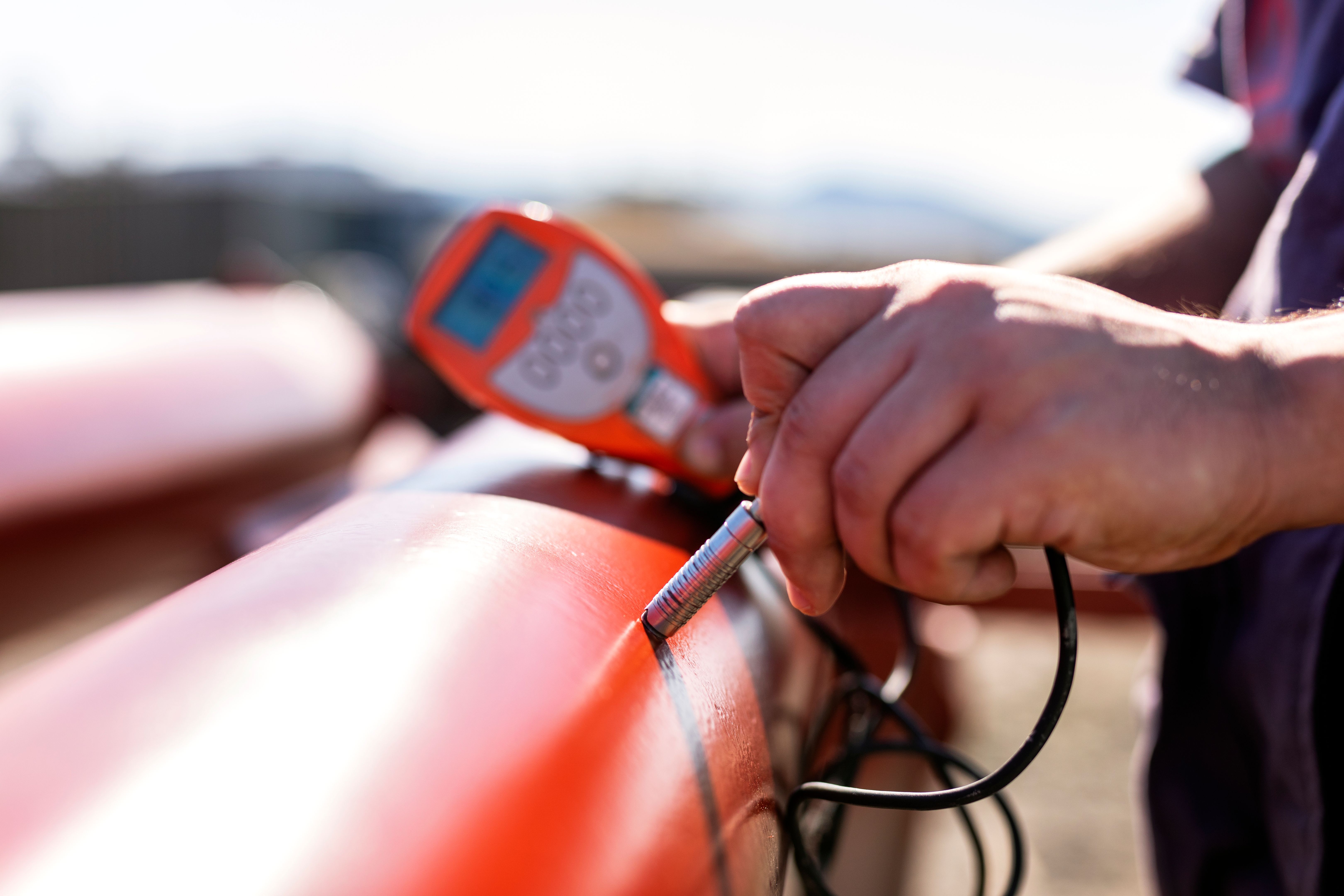
- Post-Application Inspection: This involves conducting tests to verify the coating's thickness, adhesion, and curing, among other factors.

Tools and Techniques Used
Various tools and techniques are employed in the coating inspection process. Common tools include dry film thickness gauges, adhesion testers, and holiday detectors. These instruments help in assessing different aspects of the coating, ensuring it meets the required standards.
Inspectors also use visual inspection methods to identify surface imperfections and defects. This hands-on approach is crucial in detecting early signs of potential issues that could affect the coating's performance.
Challenges in Coating Inspection
While coating inspection is essential, it does come with its challenges. Environmental factors like temperature and humidity can affect the inspection process. Additionally, accessing hard-to-reach areas for inspection can be difficult but necessary to ensure comprehensive coverage.

Training and Certification
Given the complexity of coating inspection, proper training and certification are crucial for inspectors. Certification programs provide a thorough understanding of materials, application techniques, and inspection methodologies. This ensures that inspectors are well-equipped to handle diverse challenges in the field.
Investing in skilled inspectors not only improves the quality of inspections but also enhances safety and compliance with industry standards.
Conclusion
Coating inspection is a critical component of maintaining the integrity and safety of structures across various industries. By understanding its importance and following best practices, businesses can ensure high-quality, durable, and safe coatings. This ultimately leads to reduced maintenance costs, improved safety, and prolonged asset life.