The Ultimate Guide to Coating Inspection: Ensuring Quality and Longevity


In the world of industrial applications, coating inspection plays a critical role in ensuring the quality and longevity of various structures. Whether it's pipelines, bridges, or industrial equipment, a robust coating can prevent corrosion, enhance durability, and prolong the life of the asset. This ultimate guide will explore the essentials of coating inspection and why it's indispensable for maintaining high standards.
Understanding Coating Inspection
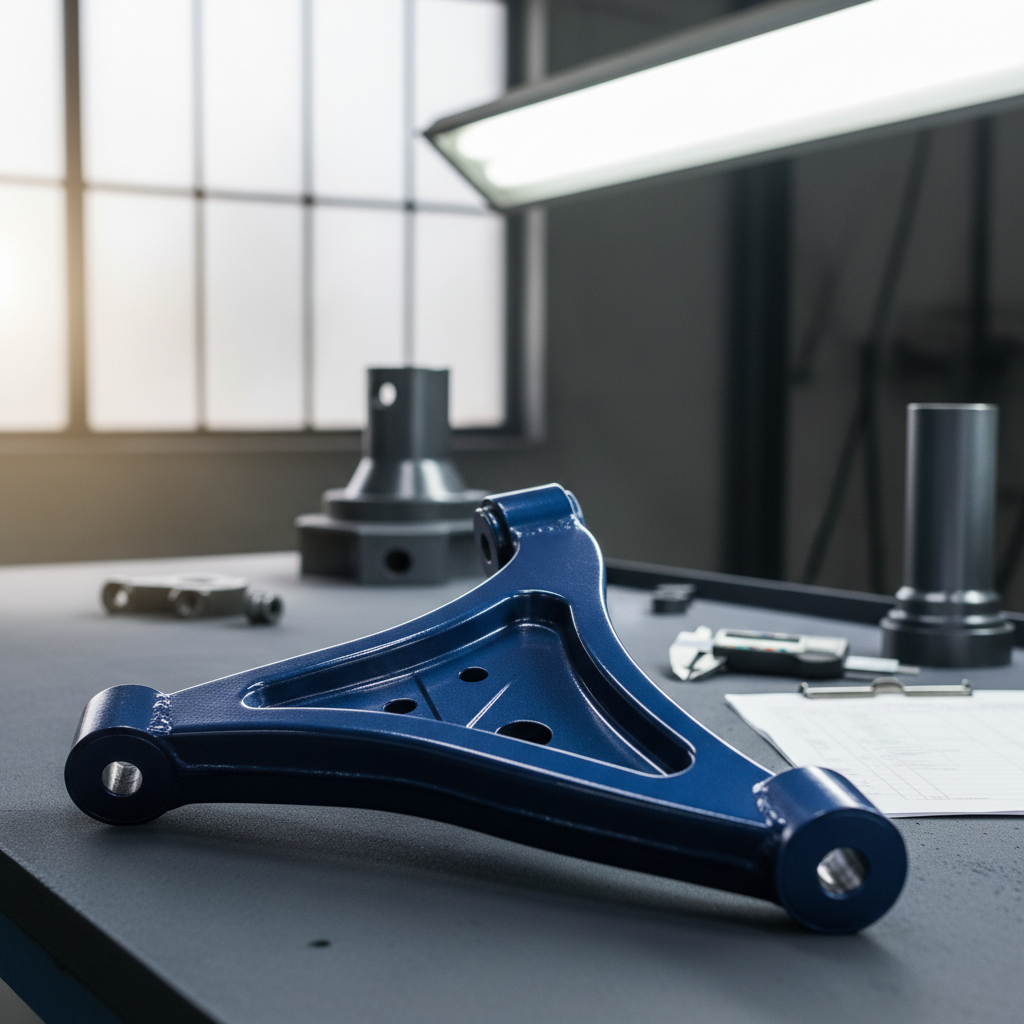
Coating inspection is a process that involves assessing the application and effectiveness of protective coatings. These coatings are designed to safeguard materials from environmental stressors like moisture, chemicals, and UV radiation. Ensuring that these coatings are applied and maintained correctly can save time and money while preventing premature failure.
The Importance of Coating Inspection
Regular coating inspections are vital for several reasons. First, they help in identifying potential defects or areas that may require repair. This proactive approach can prevent costly damage and extend the lifespan of the asset. Additionally, coating inspections ensure compliance with industry standards and regulations, which is crucial for safety and legal purposes.
The Coating Inspection Process
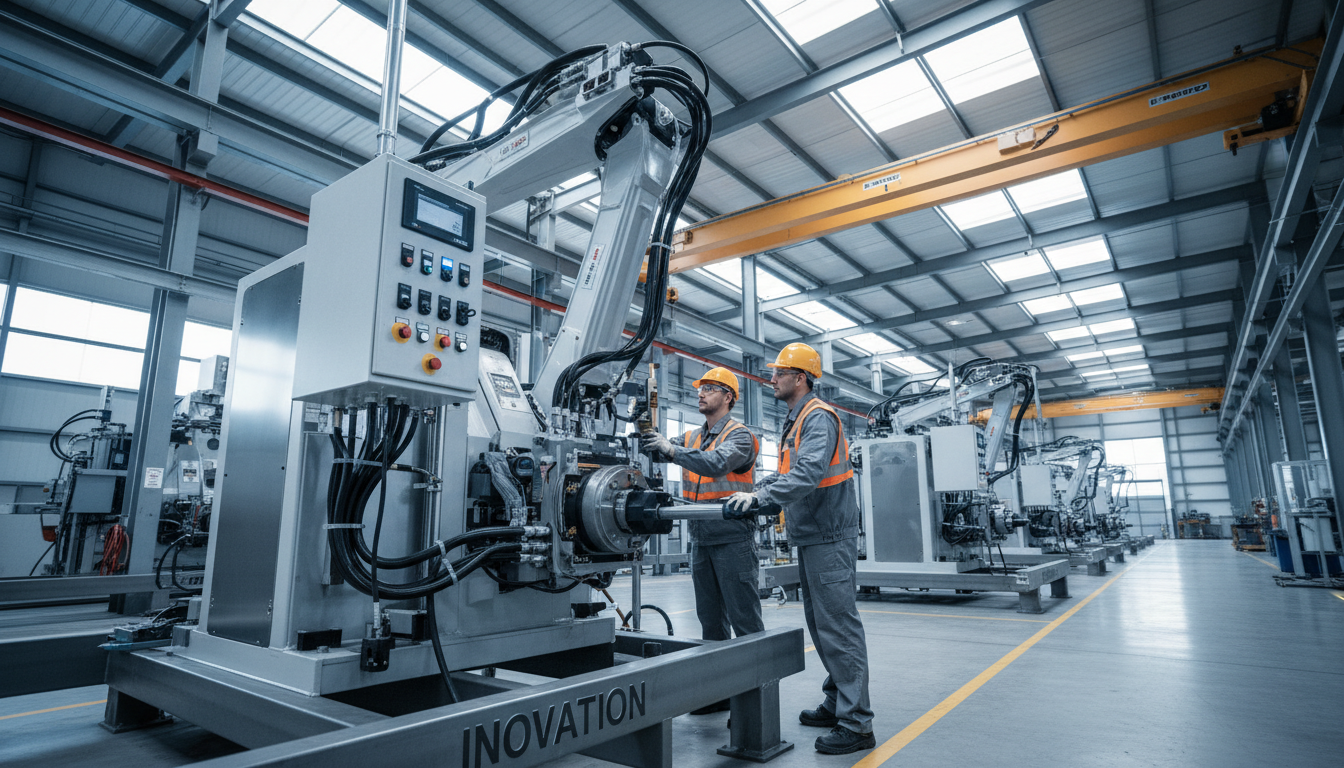
The inspection process typically involves several key steps:
- Surface Preparation Verification: Ensuring the surface is properly prepared before coating application.
- Wet Film Thickness Measurement: Verifying that the coating is applied at the correct thickness.
- Dry Film Thickness Measurement: Measuring the coating thickness after curing.
- Adhesion Testing: Checking the bond strength between the coating and the substrate.
- Visual Inspection: Examining the coating for defects like bubbles, cracks, or peeling.
Tools and Techniques
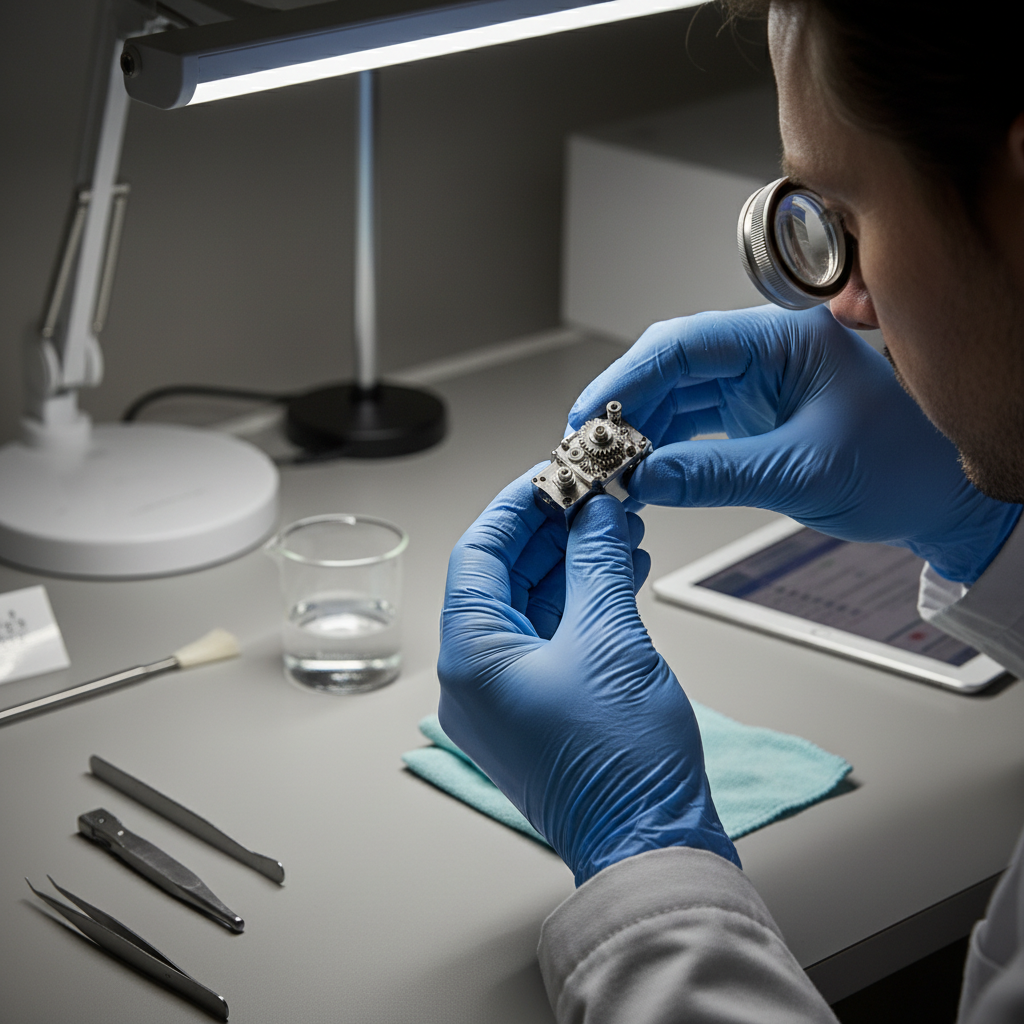
Various tools and techniques are employed during a coating inspection to ensure thoroughness and accuracy. Common tools include thickness gauges, adhesion testers, and microscopes. Advanced techniques like ultrasonic testing and X-ray fluorescence may also be used for more precise analyses.
Challenges in Coating Inspection
Despite its importance, coating inspection can present several challenges. Environmental conditions, such as temperature and humidity, can affect the application and curing of coatings. Additionally, accessibility issues may arise, especially in complex structures, making it difficult to conduct thorough inspections.
Overcoming Challenges
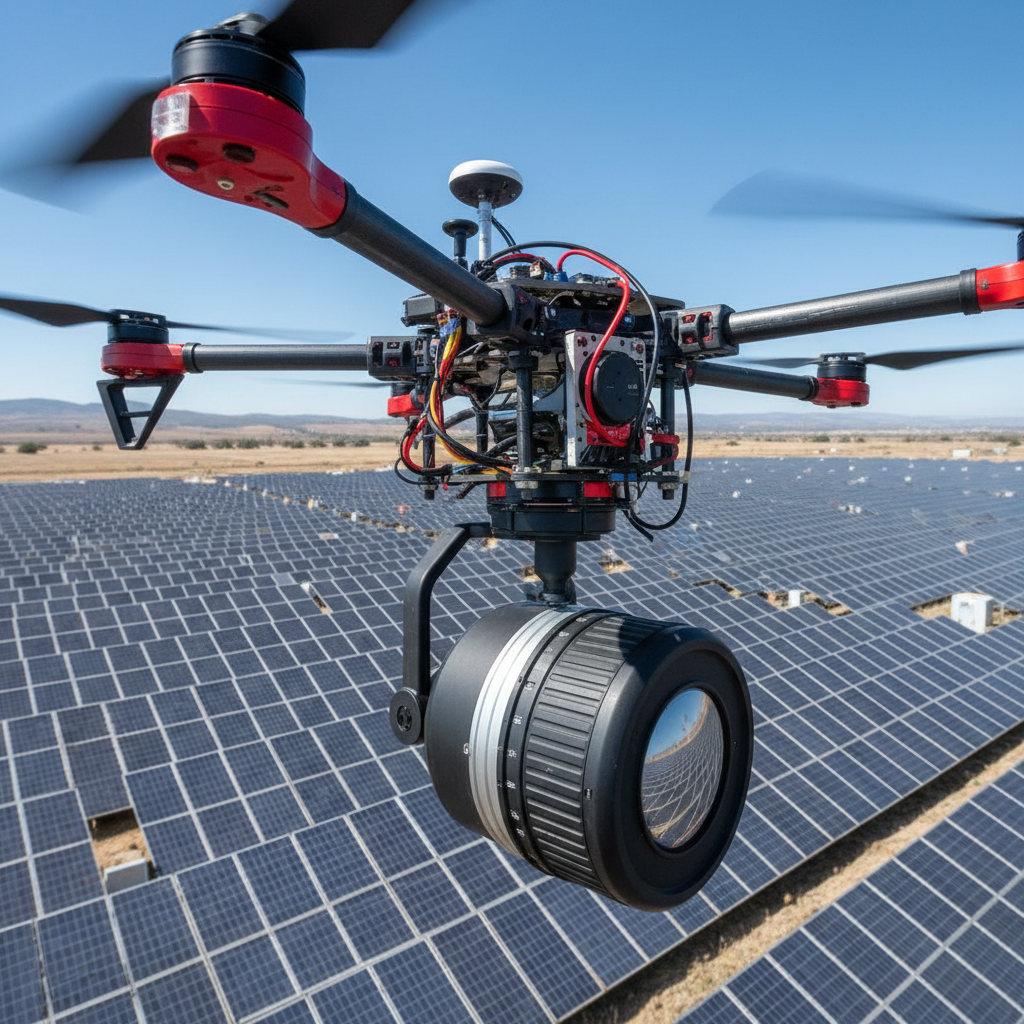
To overcome these challenges, inspectors often rely on experience and advanced technology. Proper training and certification are essential for inspectors to recognize and address issues effectively. Utilizing drones or robotic systems can also enhance inspection capabilities in hard-to-reach areas.
Conclusion
Coating inspection is a fundamental aspect of maintaining the integrity and performance of industrial assets. By adhering to rigorous inspection protocols and leveraging modern technology, businesses can ensure that their coatings provide the desired protection and longevity. Investing in regular and thorough inspections not only safeguards assets but also contributes to overall operational efficiency and cost savings.