The Ultimate Guide to Coating Inspection: Ensuring Quality and Longevity


Understanding the Importance of Coating Inspection
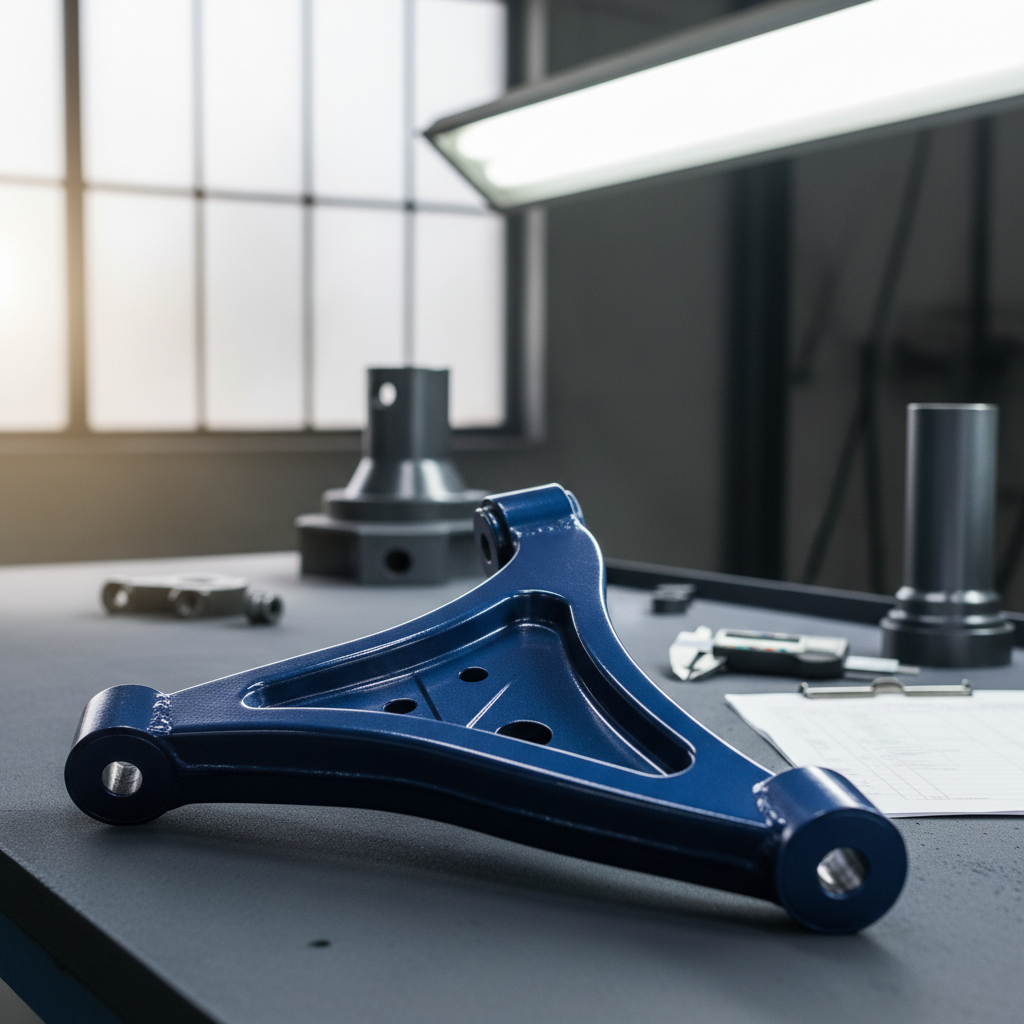
Coating inspection is a critical process that ensures the durability and effectiveness of protective coatings on various surfaces. Whether applied on industrial equipment, infrastructure, or consumer products, coatings serve as a barrier against environmental factors, corrosion, and wear. Without proper inspection, these coatings can fail prematurely, leading to costly repairs and safety hazards.
The Role of Coating Inspectors
Coating inspectors are trained professionals who evaluate the condition and application of coatings. Their expertise lies in identifying defects, measuring thickness, and ensuring compliance with industry standards. By employing advanced tools and techniques, they provide an essential service that safeguards investments and maintains quality.
Inspectors typically follow a standardized process, which includes visual inspection, adhesion testing, and environmental condition assessment. This comprehensive approach helps in detecting potential issues early and ensures that the coating performs as intended.
Key Components of Coating Inspection
Several key components play a vital role in the coating inspection process. Understanding these elements can help stakeholders appreciate the complexity and necessity of thorough inspections.
Surface Preparation
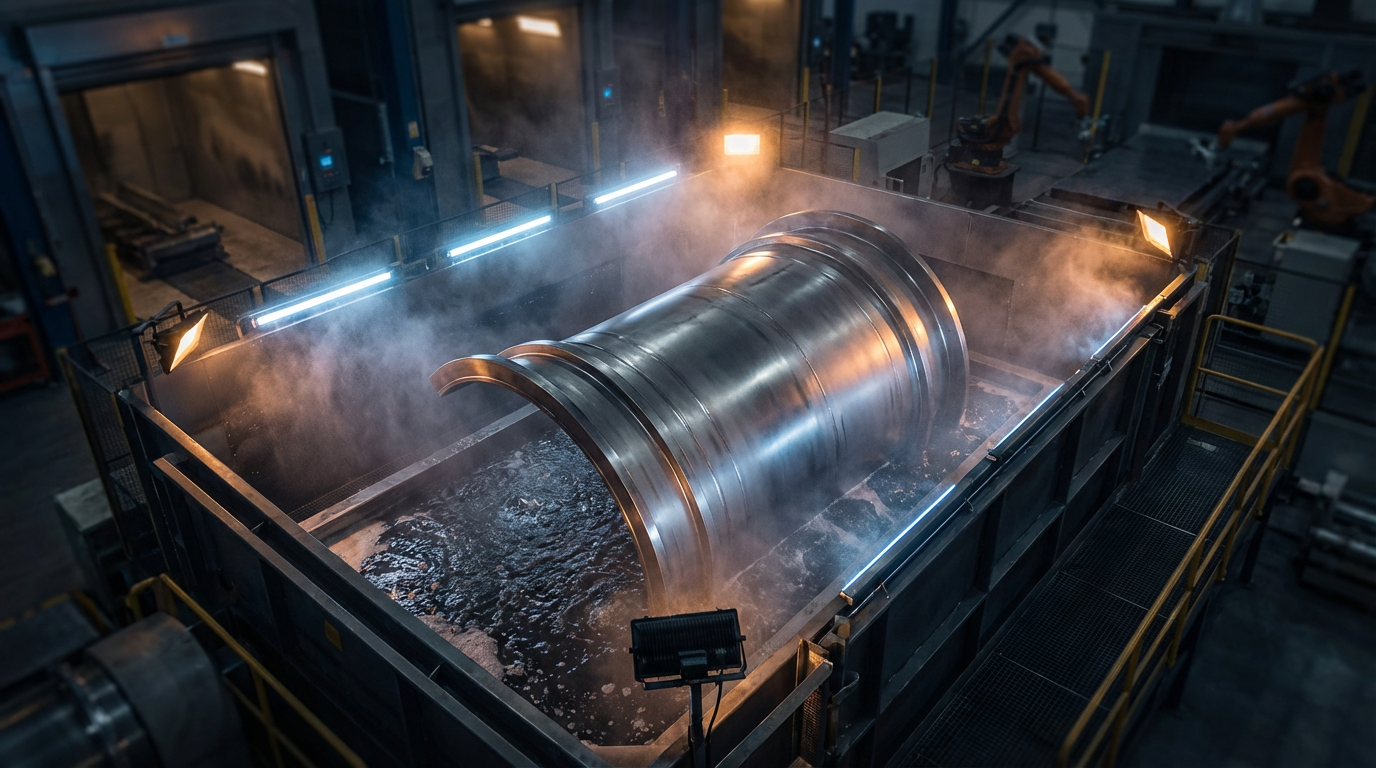
The success of a coating application heavily depends on the quality of surface preparation. Inspectors assess the cleanliness, roughness, and profile of the substrate to ensure optimal adhesion. Poor surface preparation can lead to coating failures, making this an essential step in the inspection process.
Environmental Conditions
Environmental conditions during application significantly affect the performance of coatings. Factors like humidity, temperature, and wind speed are measured to ensure they fall within acceptable ranges. Inspectors monitor these conditions to prevent issues like blistering or improper curing.
Advanced Inspection Techniques
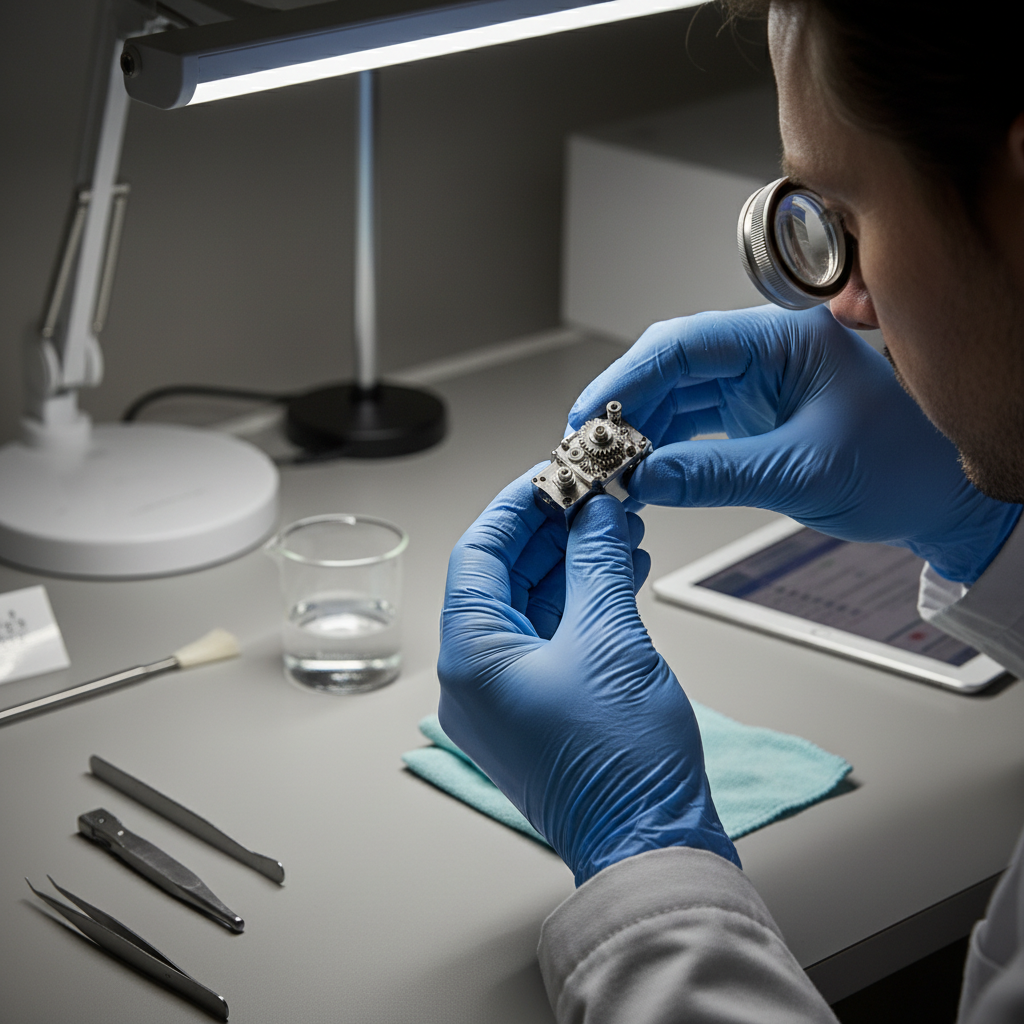
Technological advancements have revolutionized coating inspection techniques. Today, inspectors utilize sophisticated tools such as ultrasonic thickness gauges, digital microscopes, and drones for detailed evaluations. These technologies enhance accuracy and efficiency, providing reliable results.
The Benefits of Regular Inspections
Regular coating inspections are essential for maintaining the longevity and effectiveness of coatings. They help in identifying early signs of wear and tear, allowing for timely maintenance and repairs. By investing in regular inspections, businesses can save money in the long run and ensure the safety and reliability of their assets.
Conclusion
Coating inspection plays a crucial role in protecting investments and ensuring safety. By understanding its importance and the techniques involved, stakeholders can make informed decisions and maintain high standards of quality. Regular inspections not only extend the life of coatings but also contribute to overall operational efficiency.