The Ultimate Guide to Coating Inspection: Ensuring Quality and Longevity


Understanding Coating Inspection
Coating inspection is a critical process that ensures the quality and longevity of protective coatings. Whether it's for industrial structures, pipelines, or marine vessels, a thorough inspection can prevent costly repairs and extend the lifespan of the asset. By detecting flaws and ensuring proper application, inspectors help maintain the integrity of the coating system.
Why Coating Inspection Matters
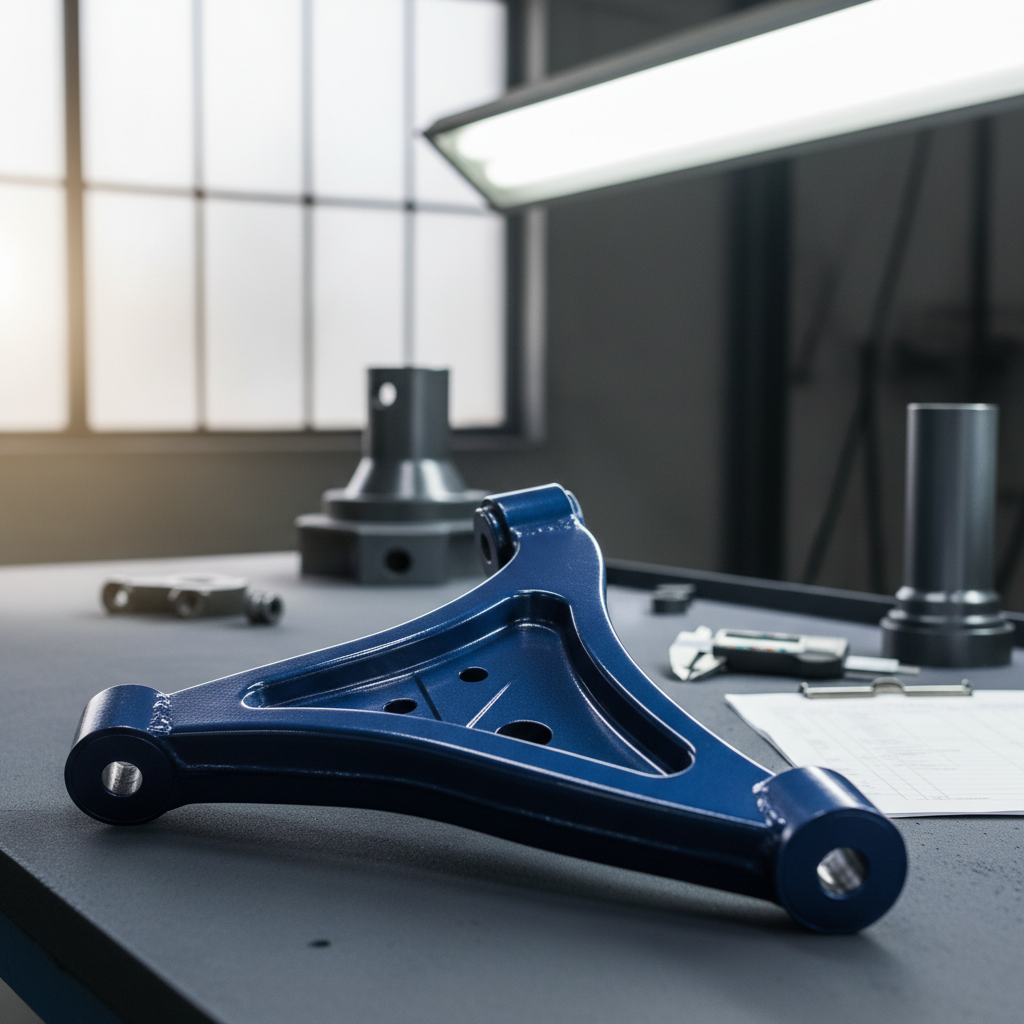
Coating inspection is not just about identifying defects; it's about safeguarding investments. A properly conducted inspection ensures that the coating will perform as expected under various environmental conditions. This is particularly important in industries where corrosion can lead to severe structural damage.
Investing in regular inspections can save businesses substantial amounts in maintenance costs. It also helps in complying with industry standards and regulations, ensuring safety and reliability.
The Process of Coating Inspection
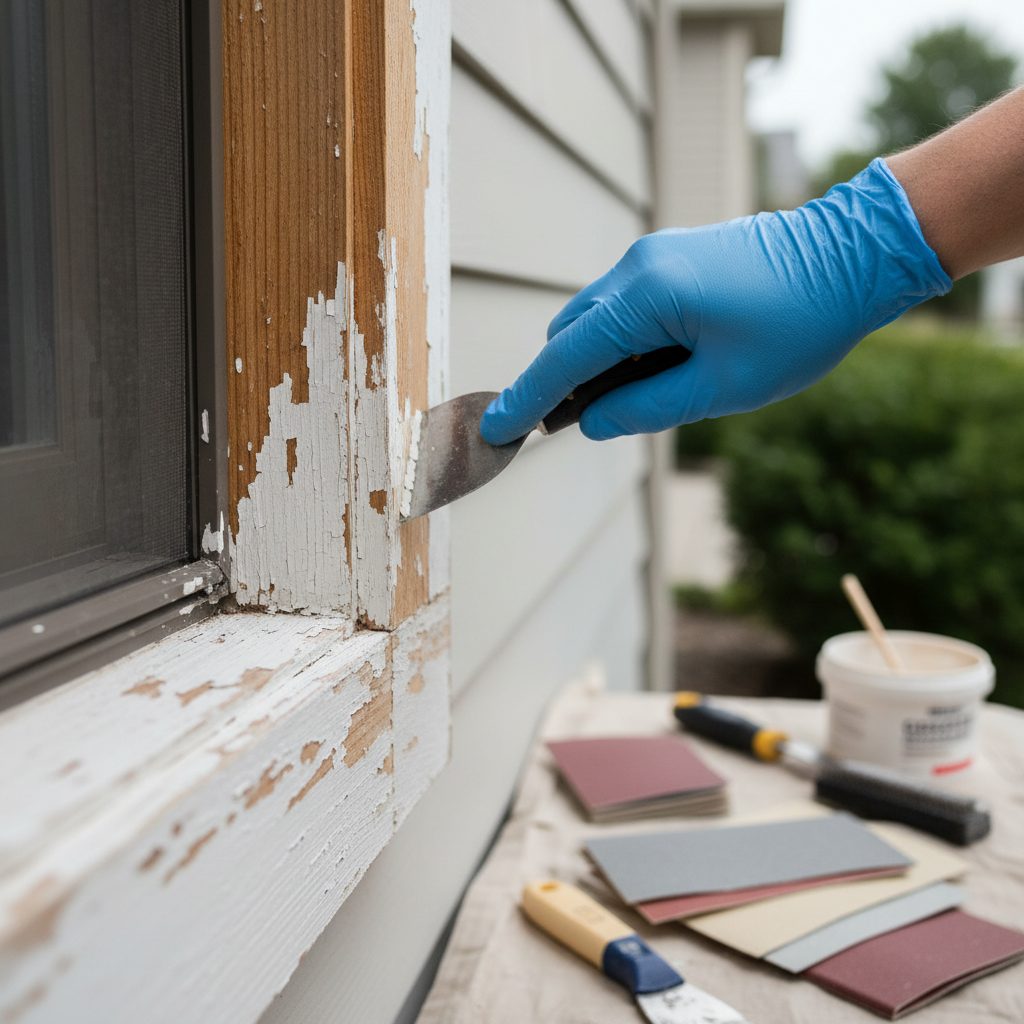
The inspection process involves several key steps. Initially, inspectors assess the surface preparation. This step is crucial because a poorly prepared surface can lead to coating failures. Inspectors check for cleanliness, roughness, and any contaminants that might affect adhesion.
Checking Application Techniques
Inspectors evaluate the application methods used. This includes verifying that the correct thickness is applied consistently. They also ensure that environmental conditions such as temperature and humidity are within acceptable ranges during application. These factors can significantly influence the coating's performance.
Common Tools and Techniques
Various tools are employed during coating inspections. Some of the most common include:
- Dry Film Thickness (DFT) Gauges: Measure the thickness of the coating to ensure it meets specifications.
- Adhesion Testers: Evaluate how well the coating adheres to the substrate.
- Visual Inspection Tools: Help in identifying surface imperfections or contaminants.
Documentation and Reporting
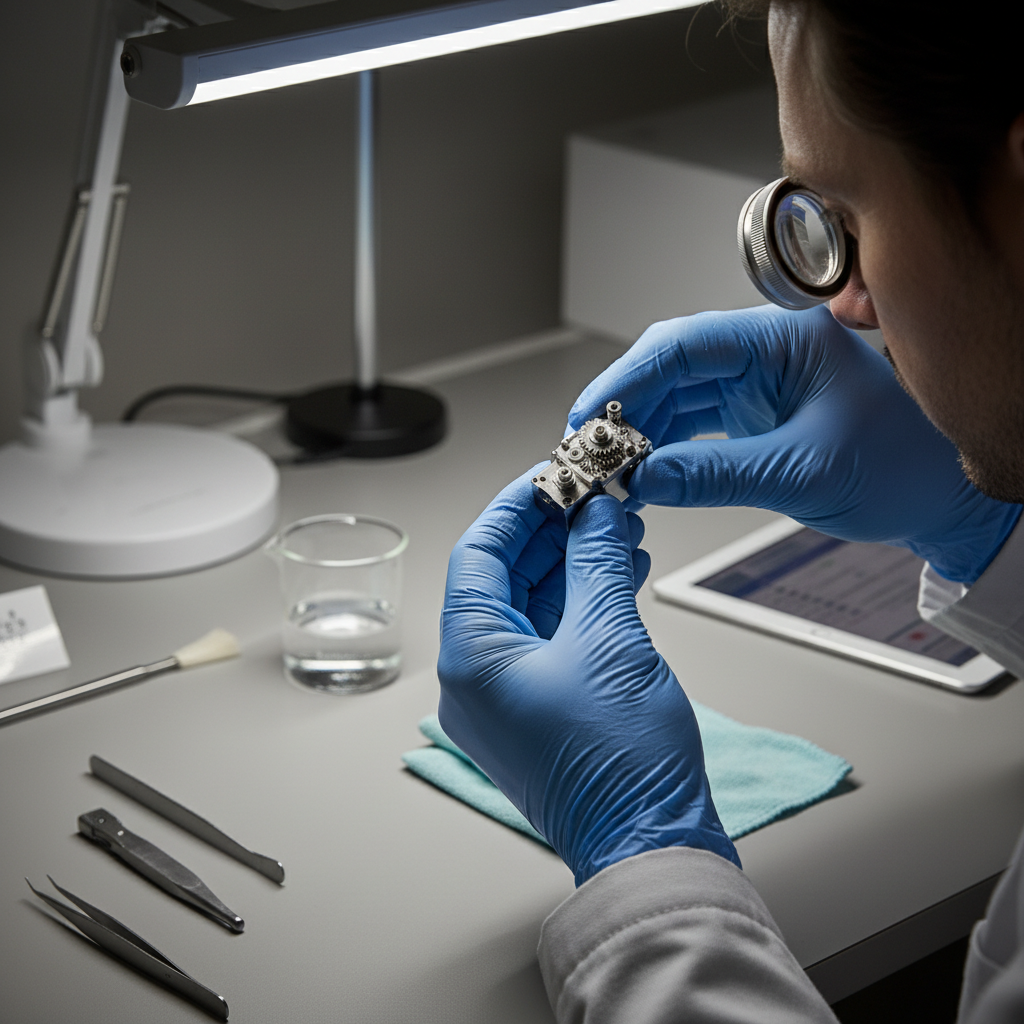
Accurate documentation is a vital part of the inspection process. Inspectors compile detailed reports that outline findings, measurements, and any discrepancies. These reports are essential for quality assurance and provide a valuable reference for future inspections or maintenance work.
Training and Certification
Coating inspectors often undergo specialized training to become certified. Certification programs equip them with the knowledge and skills required to perform inspections effectively. This ensures that inspections are carried out professionally and to a high standard.

The Future of Coating Inspection
With advancements in technology, the coating inspection industry is evolving. Digital tools and automated systems are becoming more common, making inspections faster and more accurate. These innovations promise to enhance the reliability of inspections and reduce human error.
In conclusion, coating inspection plays a vital role in maintaining the quality and durability of protective coatings. By investing in regular inspections and staying abreast of technological advancements, businesses can ensure their assets remain protected and perform optimally over time.