The Ultimate Guide to Coating Inspection: Ensuring Quality and Durability


Understanding Coating Inspection
Coating inspection is a critical process in ensuring the quality and durability of coated surfaces. Whether it's for industrial equipment, infrastructure, or consumer products, a thorough inspection helps maintain the integrity and longevity of the coatings. This guide will explore the essential aspects of coating inspection, providing valuable insights into techniques and best practices.
The Importance of Coating Inspection
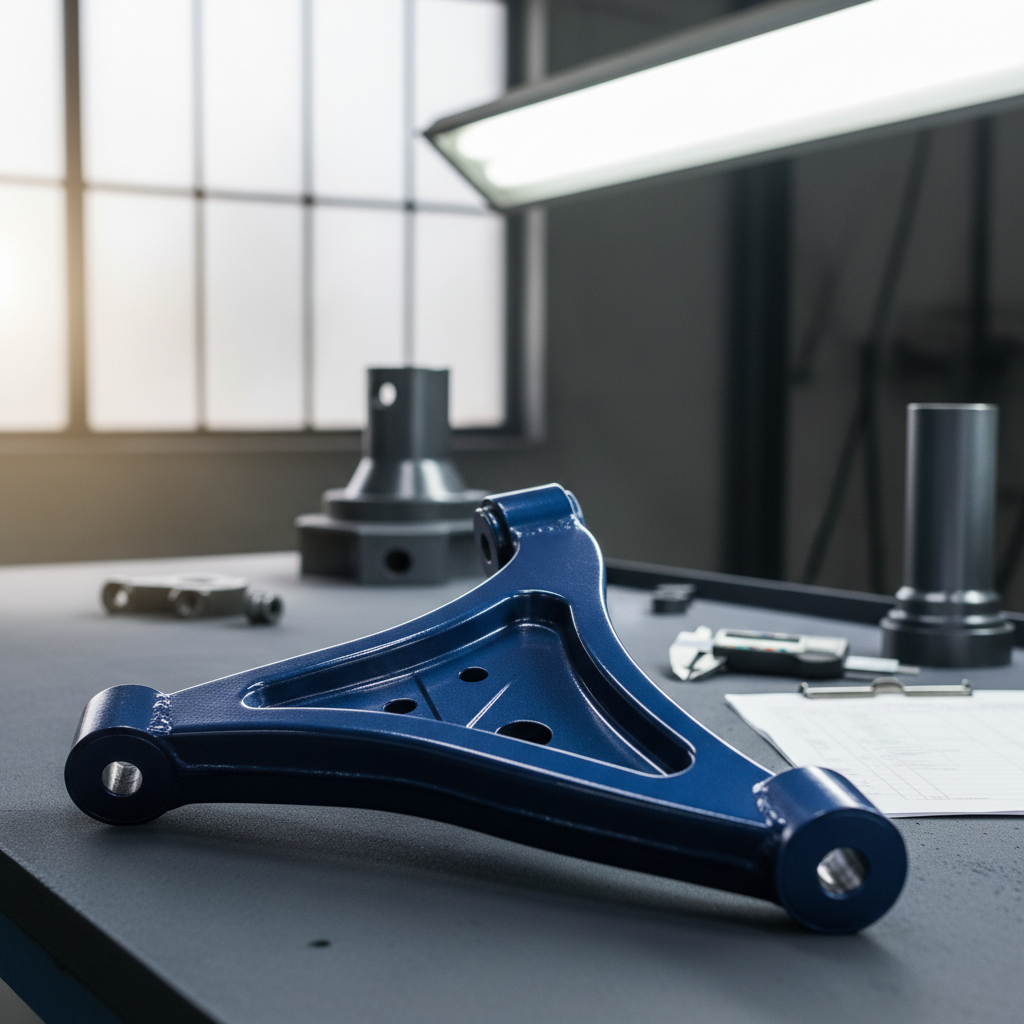
Coatings serve as the first line of defense against environmental factors such as moisture, corrosion, and UV radiation. A well-conducted inspection ensures that coatings are applied correctly and are free from defects, leading to enhanced performance and extended lifespan. Neglecting this process can result in costly repairs and replacements.
By identifying potential issues early, coating inspections help in maintaining safety standards and compliance with industry regulations. This proactive approach not only saves money but also prevents potential hazards.
Key Components of a Coating Inspection
A comprehensive coating inspection involves several key components that must be meticulously examined. These include surface preparation, application techniques, and the final cured coating. Inspectors evaluate the surface cleanliness, texture, and profile to ensure proper adhesion.
Inspection Techniques and Tools
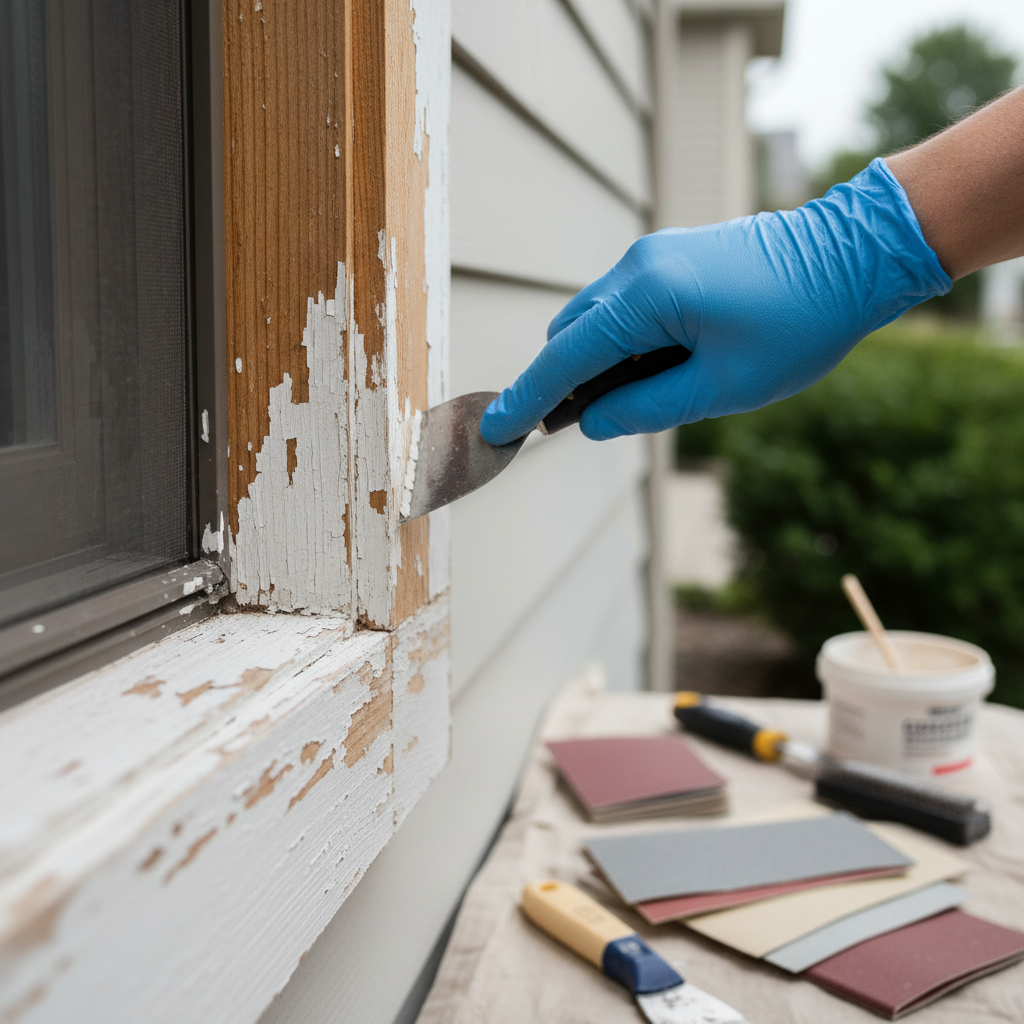
Various techniques and tools are employed during coating inspections to assess different aspects of the coating. Common methods include visual examination, adhesion testing, thickness measurement, and holiday detection. Each technique serves a specific purpose and provides valuable data on the coating's condition.
Tools such as digital thickness gauges, magnifiers, and holiday detectors play a crucial role in providing accurate and reliable measurements. These instruments help inspectors make informed decisions about the coating's quality.
Common Issues and How to Address Them
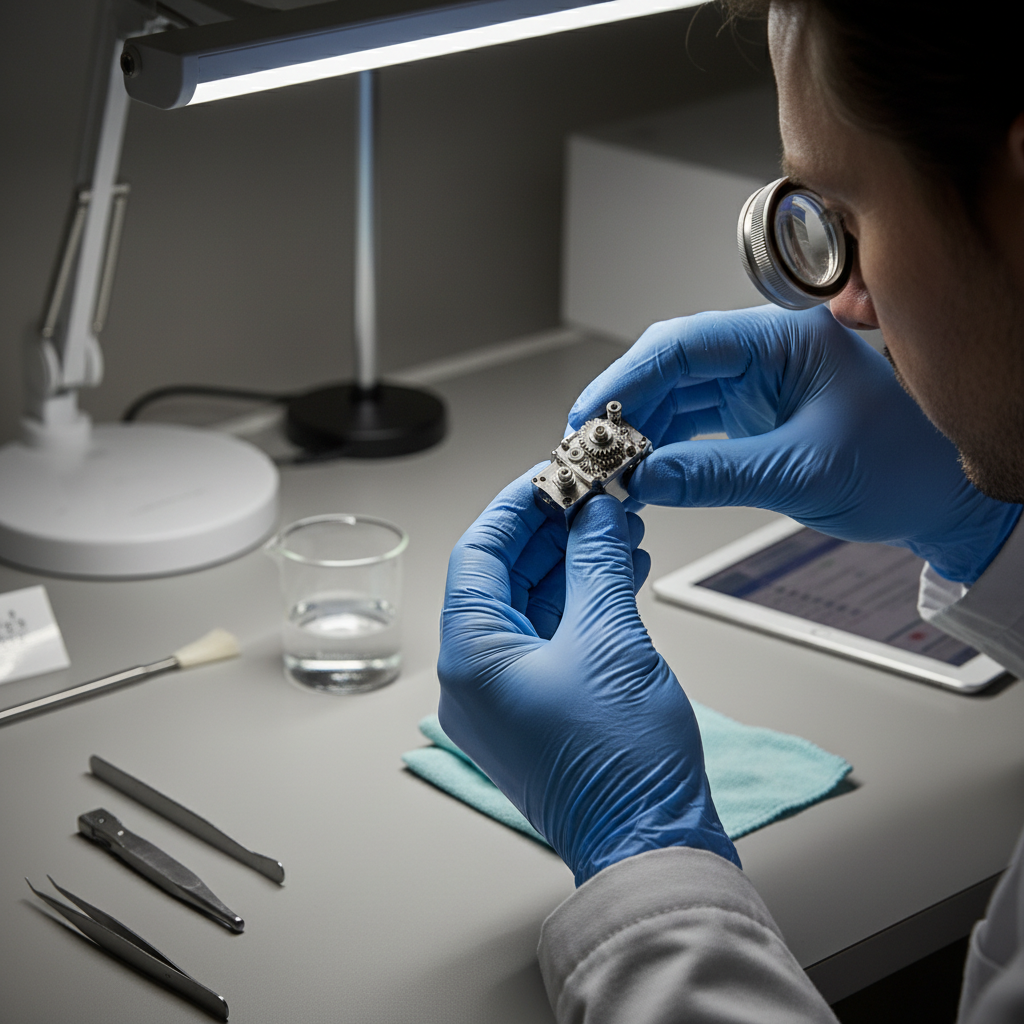
During inspections, several common issues may be identified, such as blistering, cracking, and peeling. Addressing these problems promptly is essential to maintaining the coating's effectiveness. Understanding the root causes of these issues, such as improper application or environmental stress, is key to finding suitable solutions.
Regular maintenance and re-inspection are crucial in ensuring that any emerging issues are dealt with swiftly, preventing further deterioration.
Best Practices for Coating Inspection
Implementing best practices is vital for successful coating inspections. This includes adhering to industry standards, utilizing certified inspectors, and maintaining detailed records of inspection findings. Consistent training and staying updated with the latest technological advancements also contribute to more effective inspections.
By fostering a culture of quality and attention to detail, organizations can achieve superior results and extend the lifespan of their coatings.
Conclusion
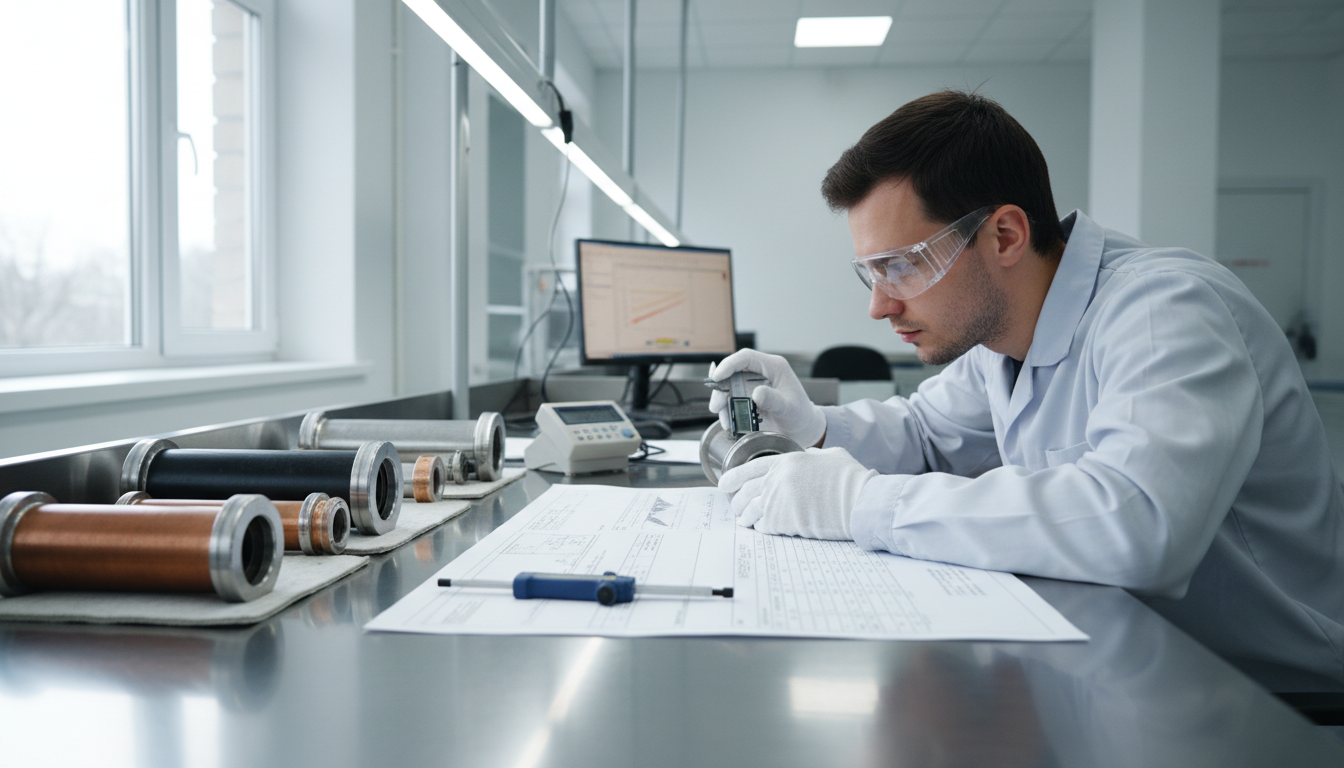
Coating inspection is an indispensable part of ensuring the quality and durability of coated surfaces. By understanding the importance, techniques, and best practices of coating inspection, industries can safeguard their investments and achieve long-term success. Regular inspections, coupled with a proactive approach to maintenance, pave the way for improved safety, compliance, and performance.