The Importance of Regular Coating Inspections for Industrial Facilities


Understanding the Role of Coatings in Industrial Settings
In industrial facilities, coatings play a crucial role in protecting structures and equipment from environmental damage such as corrosion, chemical exposure, and wear and tear. The application of protective coatings ensures the longevity and efficiency of machinery, reducing the likelihood of costly repairs and downtime. Regular inspection of these coatings is essential to maintain their protective qualities.
The Benefits of Regular Coating Inspections
Regular coating inspections are vital for identifying signs of degradation before they lead to serious issues. By conducting routine inspections, facilities can ensure that coatings remain intact and effective, preserving the integrity of the structures they protect. This proactive approach not only extends the life of the equipment but also enhances safety standards within the facility.
Inspections can uncover hidden problems such as micro-cracks or thinning, which, if left unaddressed, could result in significant damage. Early detection through regular inspections allows for timely maintenance, avoiding disruptions in operations and ensuring compliance with safety regulations.
Key Components of a Coating Inspection
A comprehensive coating inspection involves several critical steps:
- Visual Examination: Initial assessments to spot any visible damage or irregularities.
- Thickness Measurement: Ensuring the coating maintains adequate thickness to provide necessary protection.
- Adhesion Testing: Checking that coatings adhere properly to surfaces to prevent peeling.
Tools and Techniques Used in Inspections
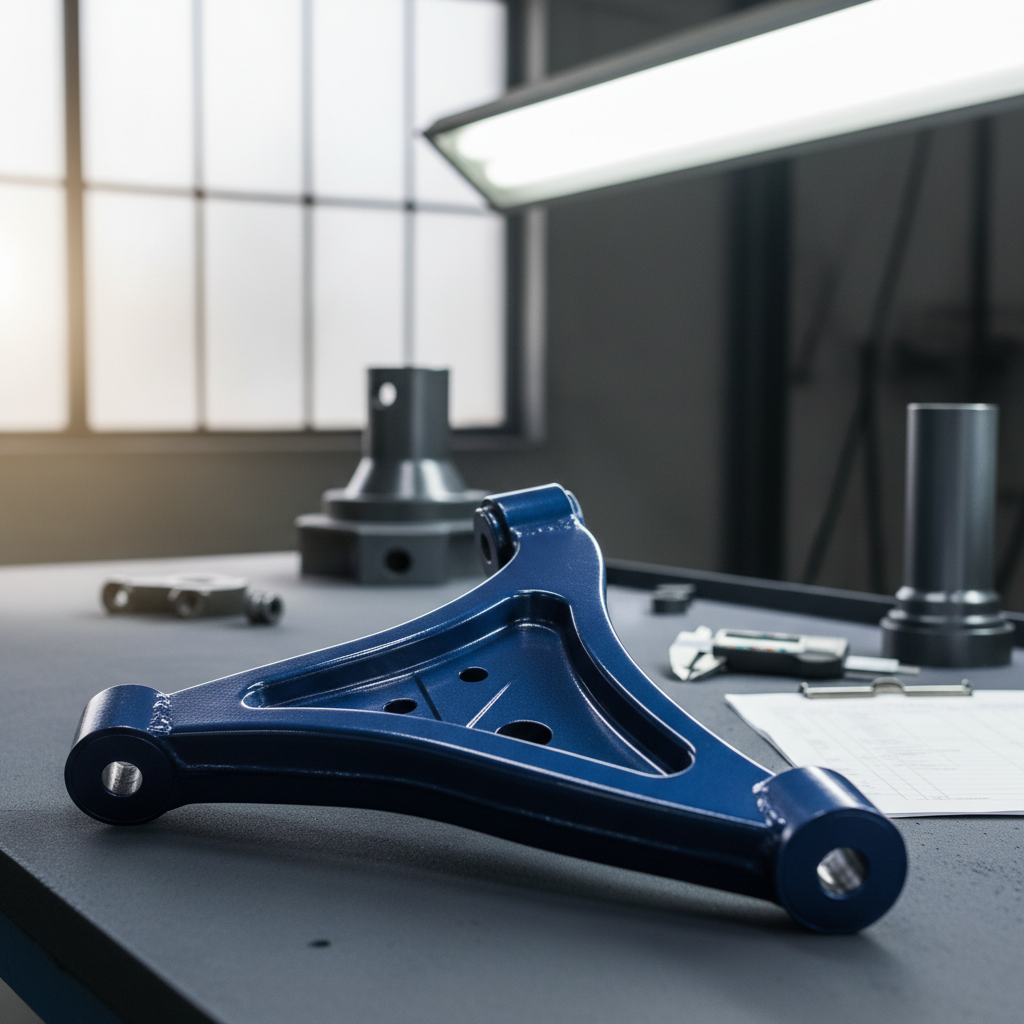
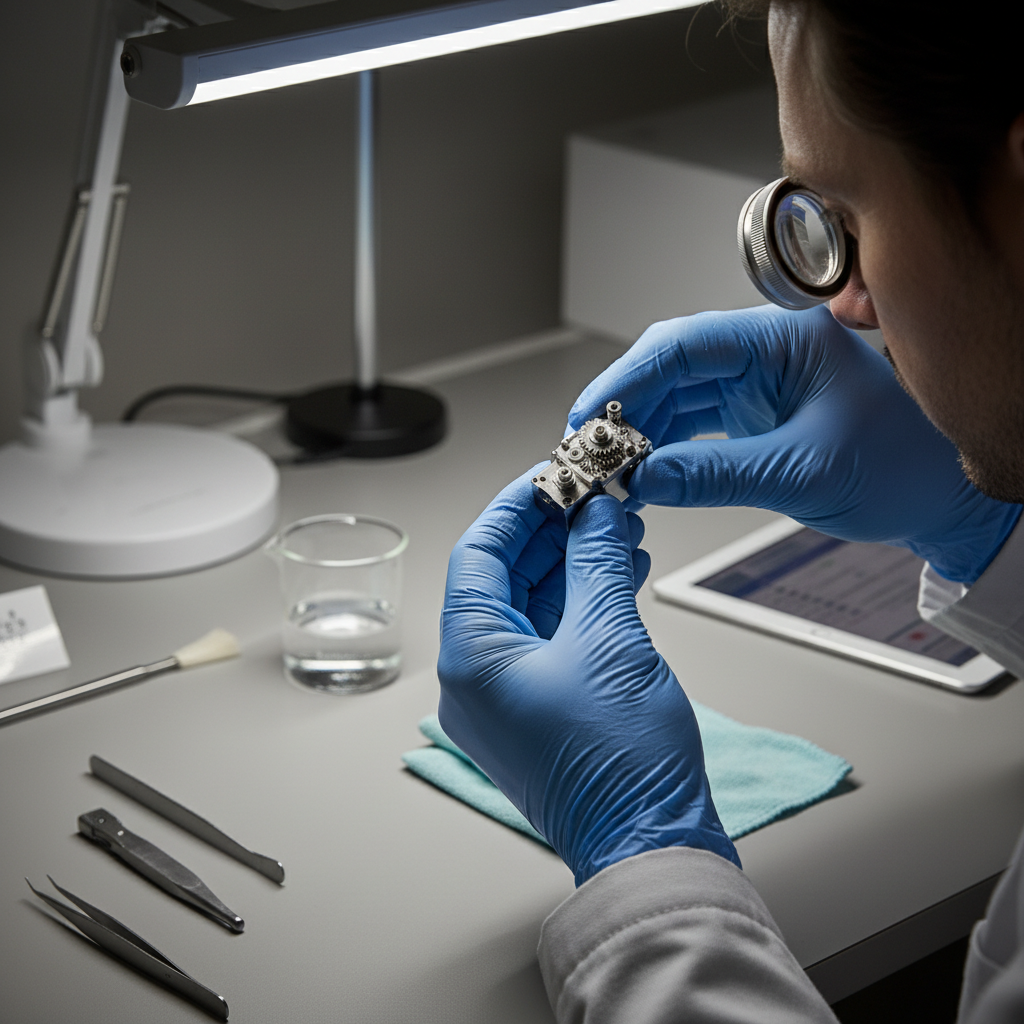
Inspectors utilize a range of tools and techniques to evaluate coating conditions. These include ultrasonic thickness gauges, adhesion testers, and specialized microscopes for detailed surface analysis. Advanced technologies such as drones and thermal imaging can also be employed to access hard-to-reach areas and detect underlying issues.
Implementing state-of-the-art inspection tools not only improves accuracy but also enhances the efficiency of the inspection process, allowing for more thorough assessments in less time.
Challenges in Coating Inspections
Conducting coating inspections can present several challenges, including environmental conditions that may affect the accuracy of readings or access difficulties in large or complex facilities. It is crucial for inspectors to be well-trained and equipped to handle these challenges, ensuring reliable and accurate evaluations.
Conclusion: Investing in Regular Inspections
Industrial facilities must prioritize regular coating inspections as an essential part of their maintenance strategy. By investing in these inspections, facilities can prevent costly repairs, maintain safety standards, and ensure the longevity of their equipment. Ultimately, regular inspections protect both the facility's infrastructure and its bottom line.
In conclusion, while the upfront costs of regular inspections may seem significant, the long-term benefits far outweigh the expenses, making it a wise investment for any industrial operation.