Success Stories: How Quality Coating Inspection Prevents Costly Repairs


Understanding the Importance of Quality Coating Inspection
Maintaining the integrity of industrial structures and equipment is crucial for ensuring safety and longevity. One key factor that plays a pivotal role in this is the quality of coatings applied to these structures. A thorough coating inspection can prevent potential issues that might lead to costly repairs down the line.
Quality coating inspection involves a detailed assessment of the coating process, from surface preparation to the final application. This ensures that every layer adheres properly and performs its protective function effectively. Without this level of scrutiny, businesses may face premature coating failures, leading to increased maintenance costs and potential operational disruptions.
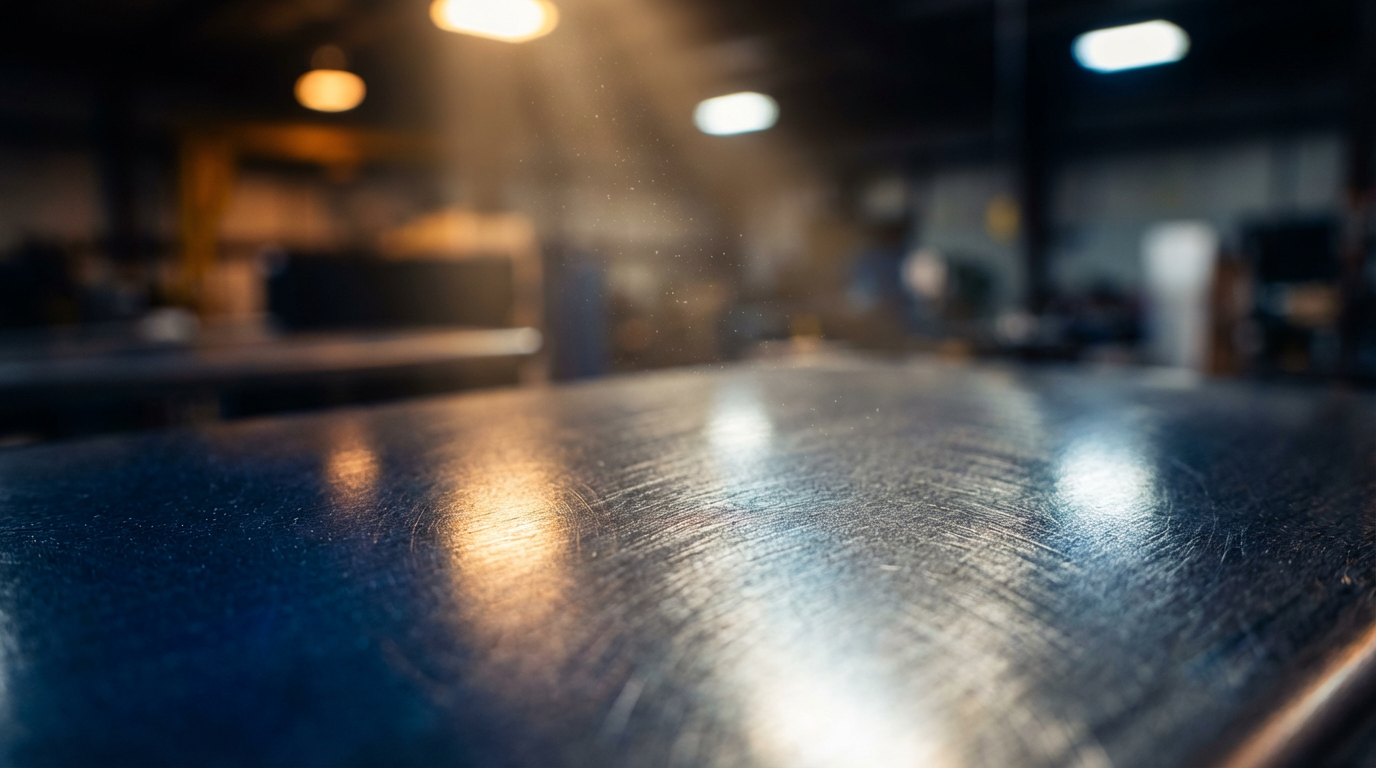
The Role of Coating Inspection in Preventing Failures
Coating failures can have significant financial and operational implications. When coatings do not perform as expected, it can result in corrosion, structural damage, and even safety hazards. Regular inspections help identify potential issues before they escalate, allowing for timely interventions.
Inspection processes typically include various tests and evaluations, such as adhesion tests, thickness measurements, and visual inspections. These procedures are designed to ensure that the coating system is applied correctly and meets industry standards. By catching imperfections early, businesses can avoid expensive repairs and replacements.

Success Stories: Real-Life Examples
Many companies have experienced the benefits of regular coating inspections. For instance, one oil refinery significantly reduced its maintenance budget after implementing a rigorous inspection routine. By identifying areas of concern early, they avoided major shutdowns and extended the life of their equipment.
Another success story comes from a shipyard that managed to mitigate corrosion issues on its vessels through regular inspections. This proactive approach not only saved money but also ensured the safety of their operations and personnel.

Steps to Implement Effective Inspection Practices
To achieve similar successes, businesses should consider implementing a comprehensive coating inspection program. Here are some steps to get started:
- Identify critical assets that require coating protection.
- Develop a regular inspection schedule tailored to your operational needs.
- Train personnel in the latest inspection techniques and standards.
- Invest in high-quality inspection tools and equipment.
- Document and analyze inspection results for continuous improvement.
By taking these steps, companies can ensure that their coating systems remain effective in protecting their valuable assets.
Conclusion: Long-Term Benefits of Quality Coating Inspection
Investing in quality coating inspections is not just a preventive measure; it is a strategic decision that pays off in the long run. By safeguarding against potential failures, businesses can avoid unexpected repair costs and maintain operational efficiency.
Whether in the oil and gas industry, maritime, or manufacturing, the principles of effective coating inspection remain the same. By prioritizing quality inspections, companies can protect their investments, enhance safety, and achieve sustainable success.