Preparing for Seasonal Changes: Why Coating Inspection Matters in New Zealand's Climate


New Zealand's diverse climate presents unique challenges for infrastructure and equipment maintenance. As we transition between seasons, these challenges become even more pronounced. This is where the importance of coating inspection comes into play. Regular inspections ensure that protective coatings on equipment and structures remain effective, preventing costly damage and prolonging their lifespan.
Understanding New Zealand's Climate
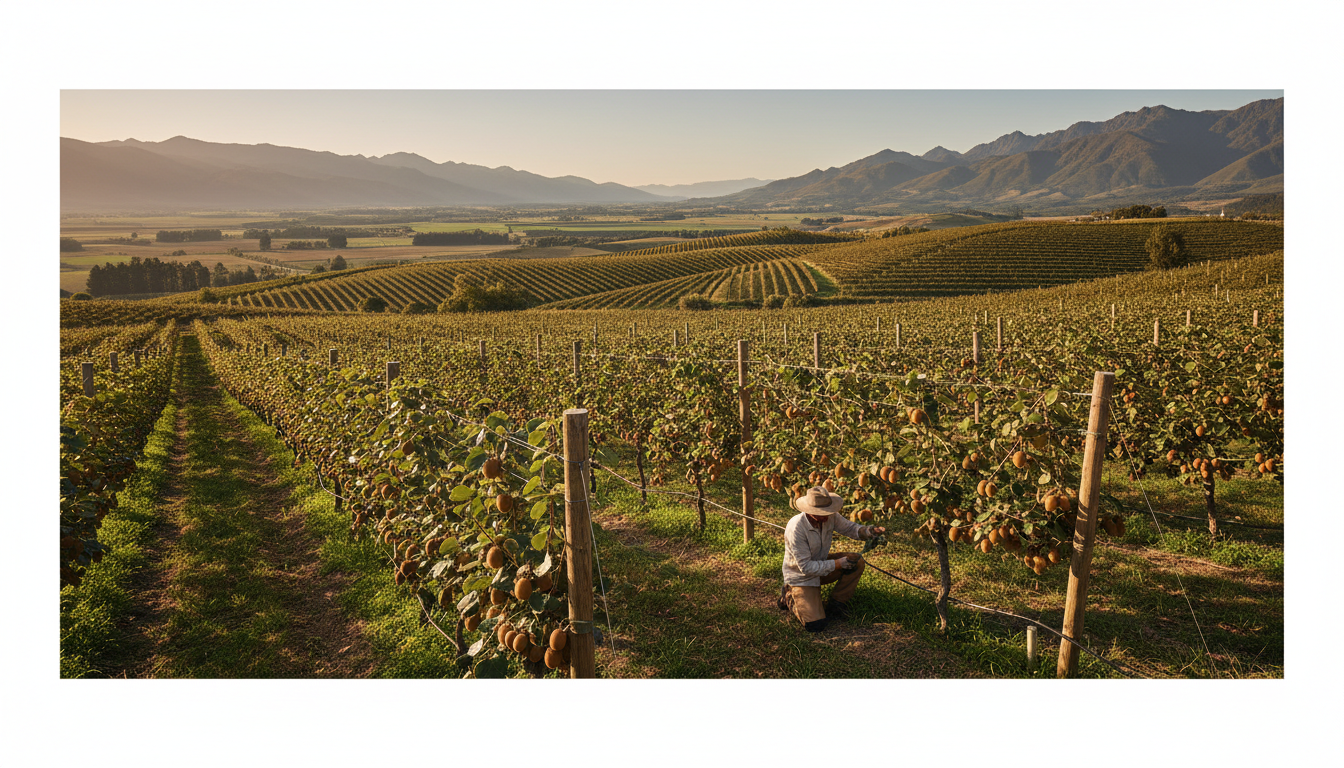
New Zealand's climate varies significantly from the subtropical North Island to the cooler South Island. This variation can lead to different types of wear and tear on coatings. Coastal areas face high salt exposure, while inland regions deal with temperature fluctuations and high UV radiation. Each of these factors can degrade coatings, making regular inspections essential.
One of the key challenges is moisture. High humidity and rainfall can lead to corrosion, especially if protective coatings are compromised. Regular coating inspections can identify potential issues before they escalate, saving money and resources in the long run.
The Role of Coating Inspection
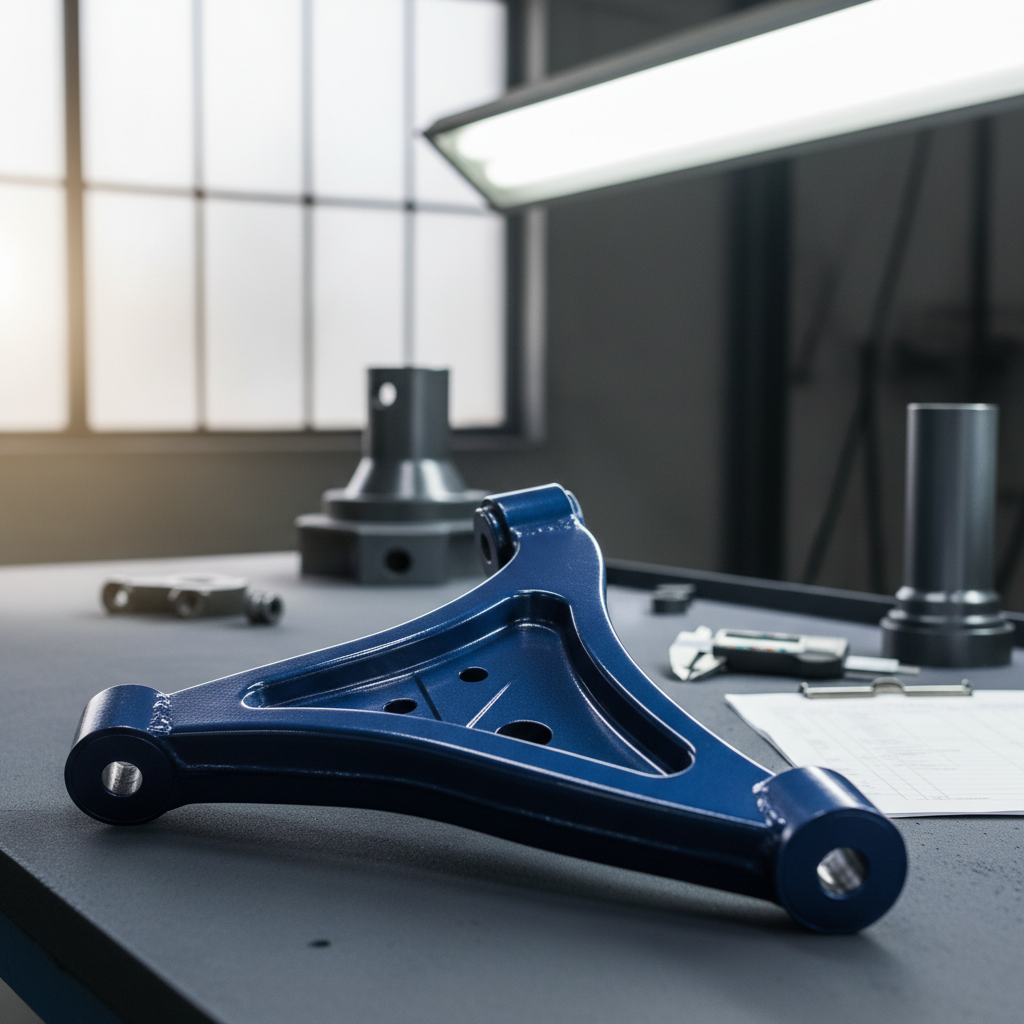
Coating inspection involves examining the integrity of protective layers on structures and equipment. This process helps identify cracks, blisters, and other defects that may compromise protection. Inspections are typically carried out by certified professionals using specialized tools to ensure accuracy.
Regular inspections are a proactive measure. By identifying and addressing issues early, businesses can avoid unexpected failures and extend the life of their assets. This is particularly important in harsh climates, where environmental factors can accelerate degradation.

Benefits of Regular Coating Inspections
There are several key benefits to conducting regular coating inspections, especially in a climate as varied as New Zealand's:
- Cost Savings: Preventing damage before it occurs avoids costly repairs.
- Extended Lifespan: Regular maintenance helps extend the life of structures and equipment.
- Environmental Protection: Reducing the need for replacements minimizes waste and environmental impact.
Implementing an Inspection Routine
To effectively manage coating maintenance, it's essential to implement a routine inspection schedule. This should be tailored to the specific environmental conditions of your location and the materials used. Engaging experienced inspectors ensures that all potential issues are identified and addressed promptly.
Additionally, investing in staff training can empower your team to conduct preliminary inspections and spot minor issues early. This proactive approach contributes to overall efficiency and safety.
Conclusion
In a country as climatically diverse as New Zealand, the importance of coating inspection cannot be overstated. By understanding the specific challenges posed by different regions and implementing a robust inspection routine, businesses can protect their assets and ensure longevity. As the seasons change, it's crucial to stay ahead of potential issues, safeguarding both investments and the environment.