How to Prepare for Seasonal Coating Inspections in New Zealand's Climate


Understanding New Zealand's Unique Climate
New Zealand's diverse climate plays a significant role in how coatings perform over time. The country experiences a range of weather conditions, from the humid subtropical climate in the north to the temperate climate in the south. This variability can lead to different challenges for protective coatings, including exposure to moisture, UV radiation, and temperature fluctuations.

To ensure the longevity and effectiveness of coatings, it's crucial to conduct regular inspections, especially as seasons change. These inspections help identify any signs of wear or damage early, preventing costly repairs or replacements.
Preparing for the Inspection
Before conducting a seasonal coating inspection, gather all necessary documentation, including previous inspection reports, maintenance logs, and product specifications. Having this information on hand will help you compare past and present conditions, making it easier to spot changes or deterioration.
Ensure you have the right tools for the job. This includes visual inspection tools, moisture meters, and any other equipment specific to the type of coating being inspected. Being well-prepared will make the process more efficient and effective.
Scheduling Inspections
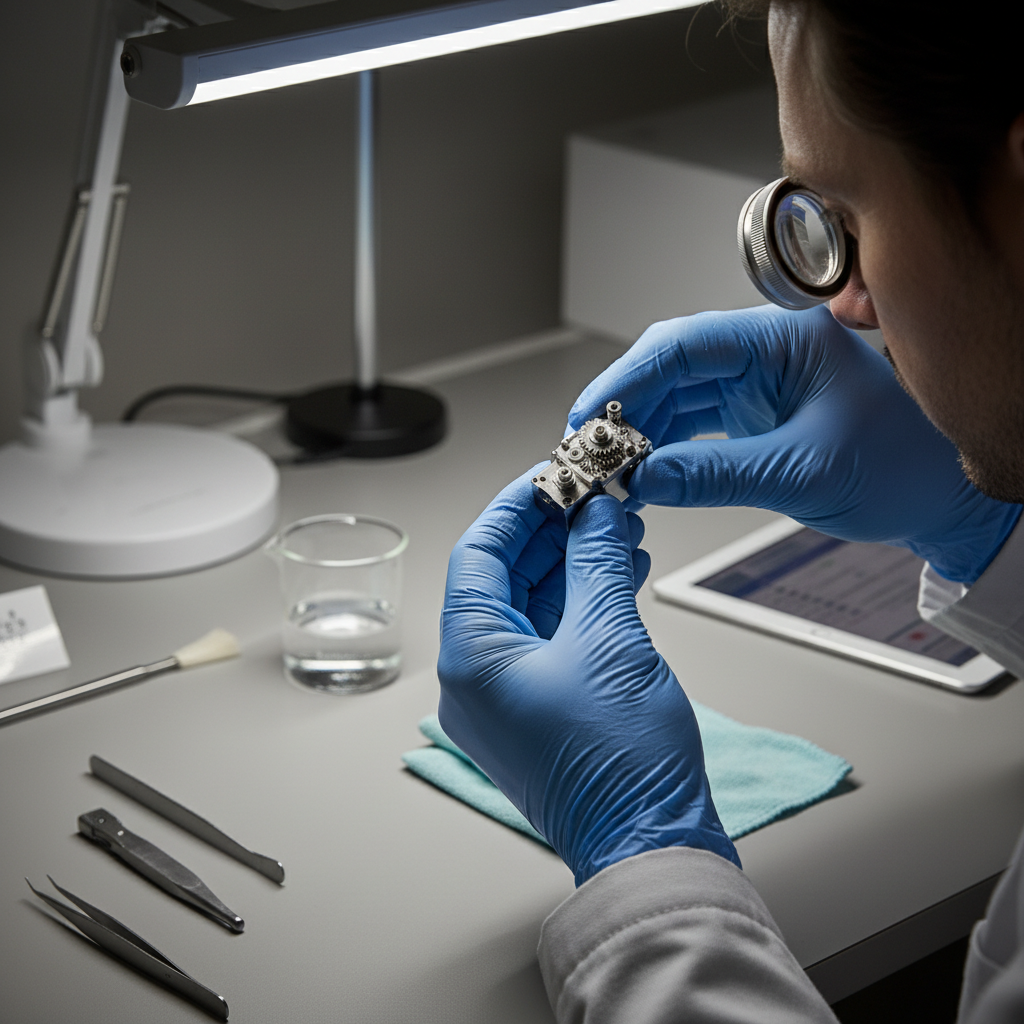
Timing is everything when it comes to inspections. In New Zealand, it's advisable to schedule inspections around the change of each season, particularly before the harsh winter months and after the summer's UV exposure. This timing allows you to address any issues that may have developed during extreme weather conditions.
Conducting the Inspection
During the inspection, pay attention to key areas prone to damage, such as edges, seams, and joints. Look for signs of blistering, cracking, or peeling, which can indicate underlying problems. Use a moisture meter to check for hidden moisture that could lead to rust or other damage.
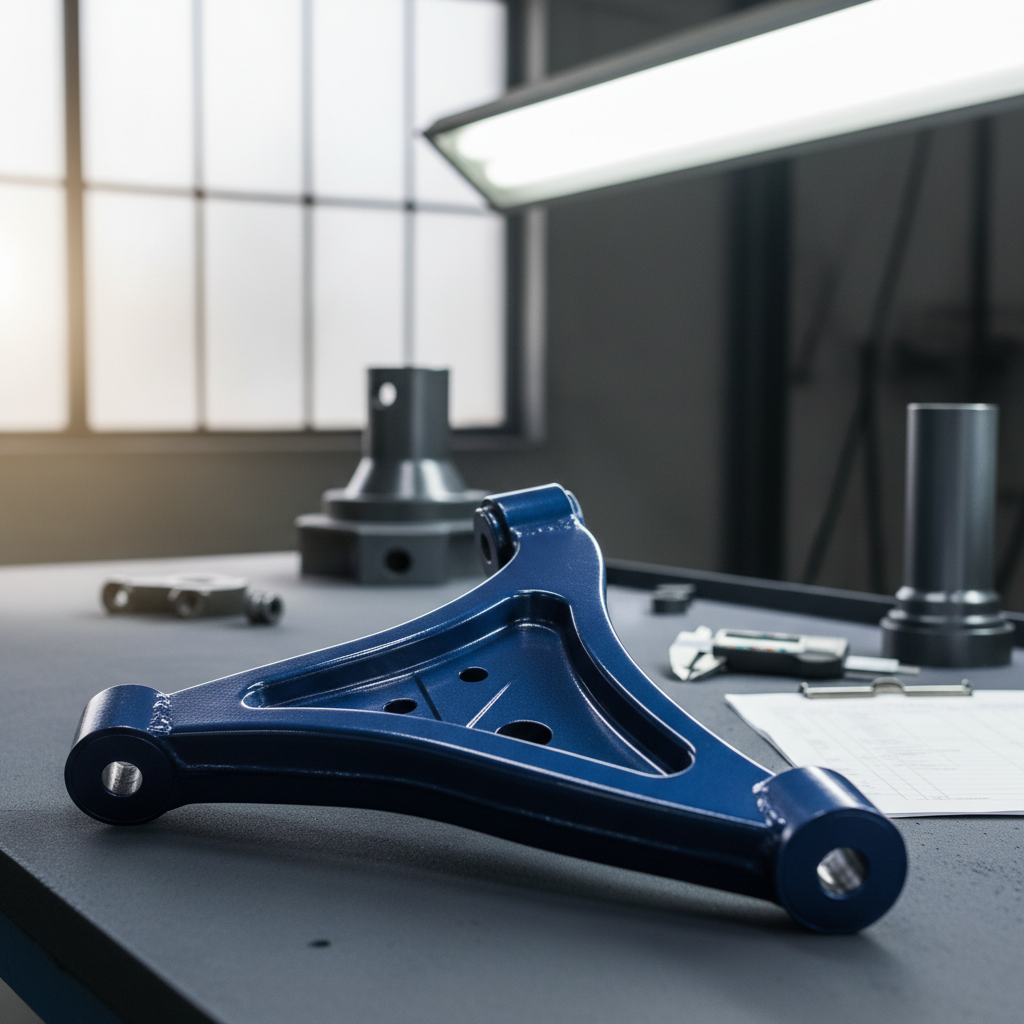
Document all findings thoroughly. Take detailed notes and photographs of any areas of concern. This documentation will not only help in planning maintenance but also serve as a valuable record for future inspections.
Addressing Issues Found
If any issues are identified during the inspection, prioritize repairs based on severity and potential impact. For minor issues, a touch-up or reapplication of the coating might suffice. However, more significant damage may require professional intervention.
Consult with a coating specialist if needed to ensure that repairs are carried out effectively and in accordance with industry standards. This can prevent further deterioration and extend the lifespan of the coatings.

Maintaining Coatings Year-Round
While seasonal inspections are crucial, maintaining coatings throughout the year is equally important. Regular cleaning and minor maintenance can prevent buildup of dirt, salt, and other contaminants that can degrade coatings over time.
- Keep surfaces clean and free from debris.
- Conduct minor touch-ups as needed.
- Monitor high-risk areas more frequently.
By following these steps, you can ensure that your coatings remain in optimal condition, providing protection and aesthetic appeal for years to come.
Conclusion
Preparing for seasonal coating inspections in New Zealand's unique climate requires a proactive approach. By understanding the environmental challenges and conducting thorough, regular inspections, you can safeguard your investments and maintain the integrity of your coatings. With the right preparation and maintenance, you'll be well-equipped to handle whatever the weather throws your way.