How to Perform a Basic Coating Inspection: A Step-by-Step Guide


Performing a basic coating inspection is crucial to ensure the longevity and effectiveness of protective coatings. Whether you're working in the field or supervising a project, understanding how to conduct a thorough inspection can save time and resources. This guide will walk you through the necessary steps.
Understanding the Importance of Coating Inspections
Coating inspections are essential to verify that the application meets industry standards and project specifications. Regular inspections help in identifying any defects or issues early, reducing the need for costly repairs or reapplications later. Having a structured inspection process ensures consistency and reliability in the results.
Preparing for the Inspection
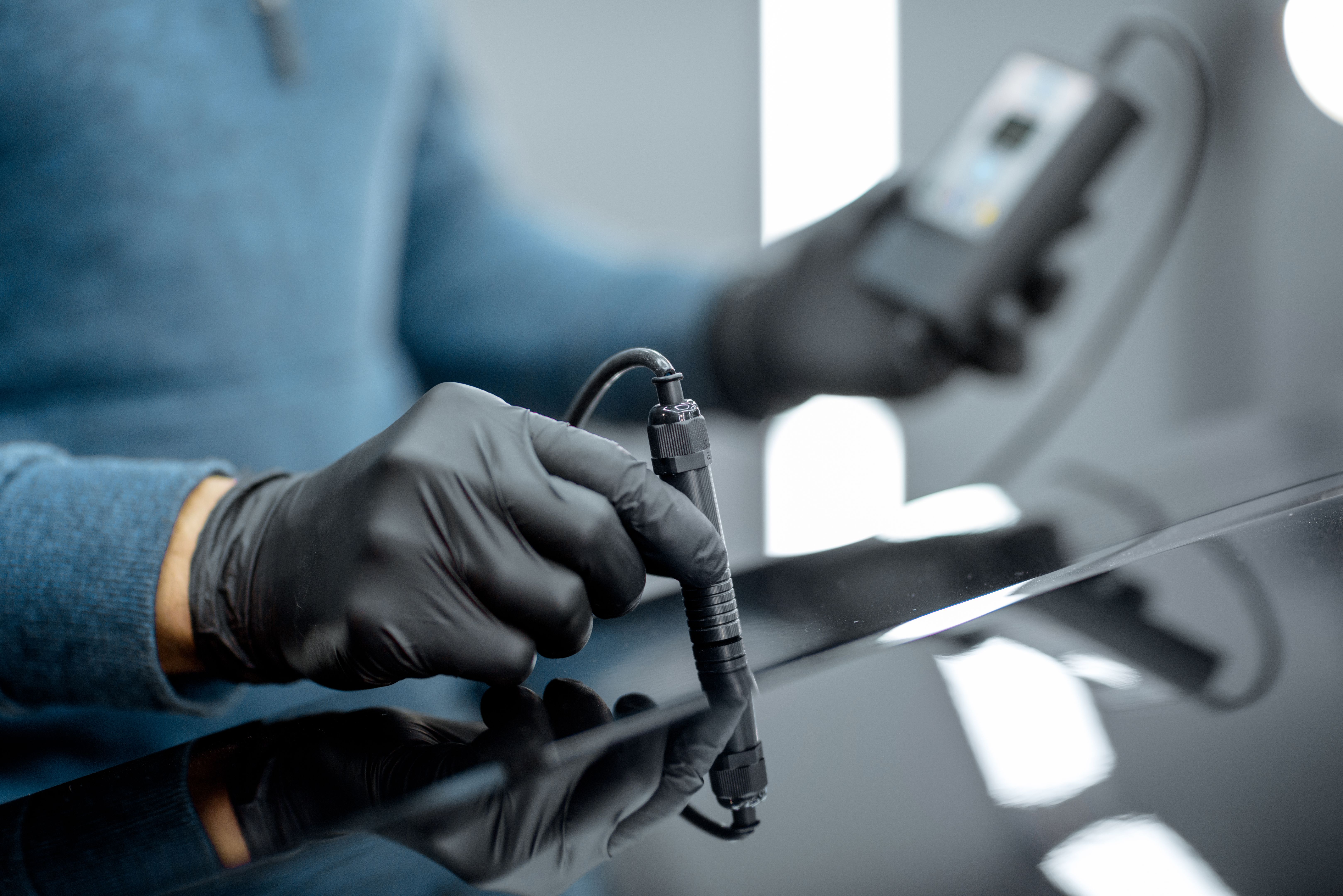
Before initiating an inspection, it's important to gather all necessary tools and documents. This includes inspection equipment such as thickness gauges, adhesion testers, and visual inspection tools. Ensure that you have access to the coating specifications and any relevant standards or guidelines.
- Review the project specifications.
- Gather inspection tools.
- Ensure safety protocols are in place.
Conducting the Inspection
Visual Inspection
A visual inspection is the first step, where you check for any obvious defects such as bubbles, blisters, or uneven coverage. Look for signs of contamination or improper surface preparation, which can compromise the coating's integrity.
Measuring Coating Thickness
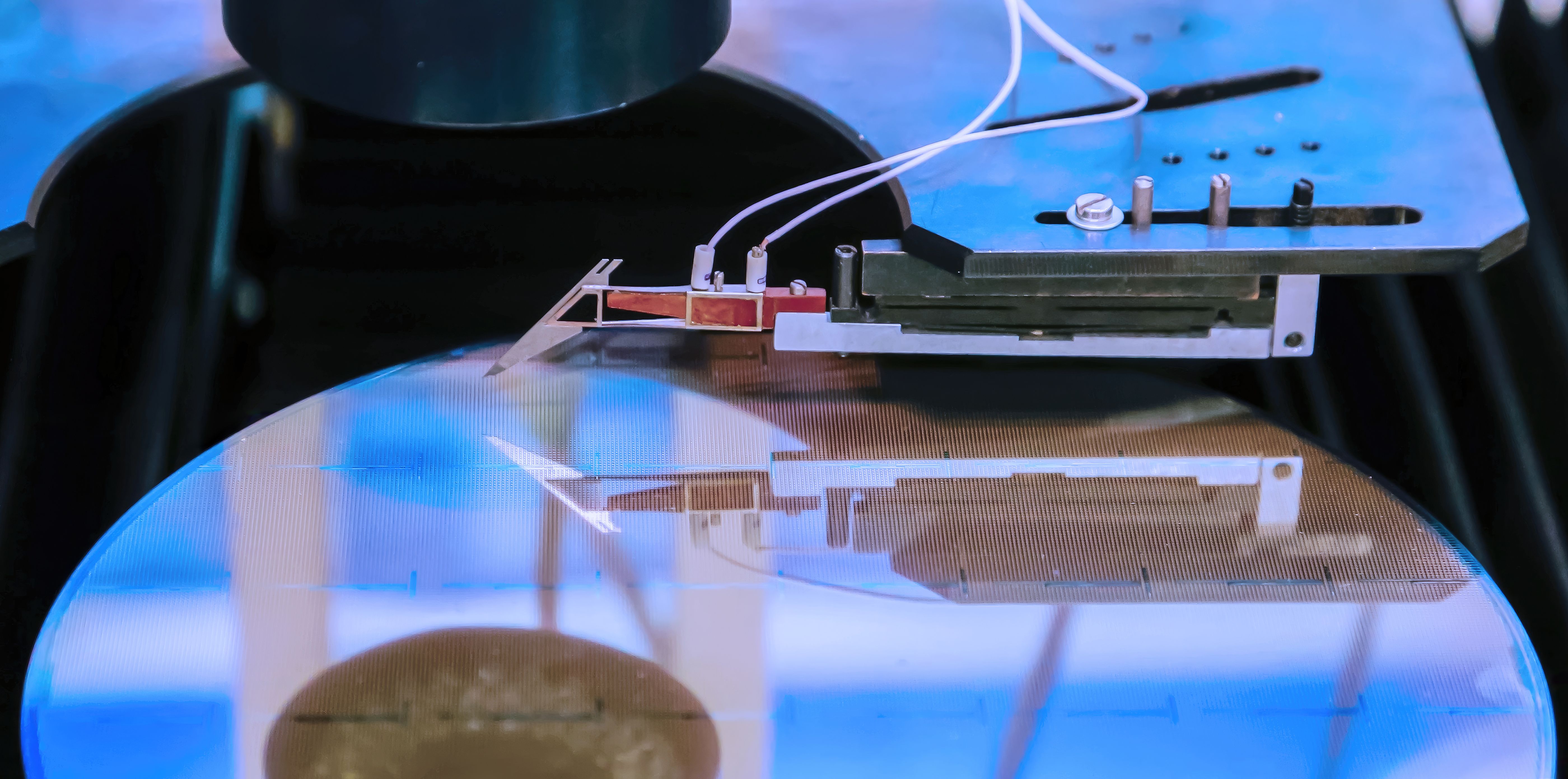
Using a thickness gauge, measure the coating's thickness at various points. This helps verify that the application meets the specified thickness, which is critical for its protective performance. Record all measurements for documentation and comparison purposes.
- Calibrate the thickness gauge.
- Take multiple readings across the surface.
- Compare with specified requirements.
Assessing Adhesion
Adhesion tests determine how well the coating adheres to the substrate. This can be performed using various methods, such as the pull-off test or cross-cut test. Proper adhesion ensures the coating's durability and resistance to environmental factors.

Documenting Findings
After completing the inspection, document all findings in a detailed report. Include photographs, measurements, and any deviations from the specifications. This documentation is essential for quality assurance and future reference.
Addressing Defects and Issues
If any defects or issues are found during the inspection, it's important to address them promptly. Determine the root cause and apply the necessary corrective actions. This may involve re-coating certain areas or adjusting application techniques.
By following these steps, you can ensure a thorough and effective coating inspection process. Regular inspections not only improve the quality of the coatings but also enhance the overall safety and longevity of the structures they protect.