Expert Tips on Avoiding Common Mistakes in Coating Applications


Understanding the Basics of Coating Applications
Coating applications are essential in various industries, from automotive to construction. However, achieving a perfect finish requires skill and attention to detail. Understanding the basics is crucial to avoid common pitfalls. A well-applied coating not only enhances aesthetics but also provides protection against environmental factors.
Before starting any coating project, it's important to choose the right type of coating for the surface. Different materials require different coatings, and using the wrong one can lead to poor adhesion or premature wear. Consulting with a specialist can help you make the right choice.
Surface Preparation: The Key to Success
One of the most common mistakes in coating applications is inadequate surface preparation. Properly cleaning and prepping the surface ensures that the coating adheres correctly. This step involves removing any dust, grease, or previous coatings that might interfere with the new application.
Using the right cleaning agents and tools is essential. For metal surfaces, this might include sandblasting or using specialized detergents. For wood, sanding and dust removal are critical. Skipping this step can lead to peeling and reduced durability.
Application Techniques and Tools
Using the correct application techniques and tools can significantly impact the quality of the coating. Whether you are using a brush, roller, or spray gun, each method has its own set of guidelines. For instance, maintaining the right distance and angle when spraying can prevent uneven coating and paint runs.
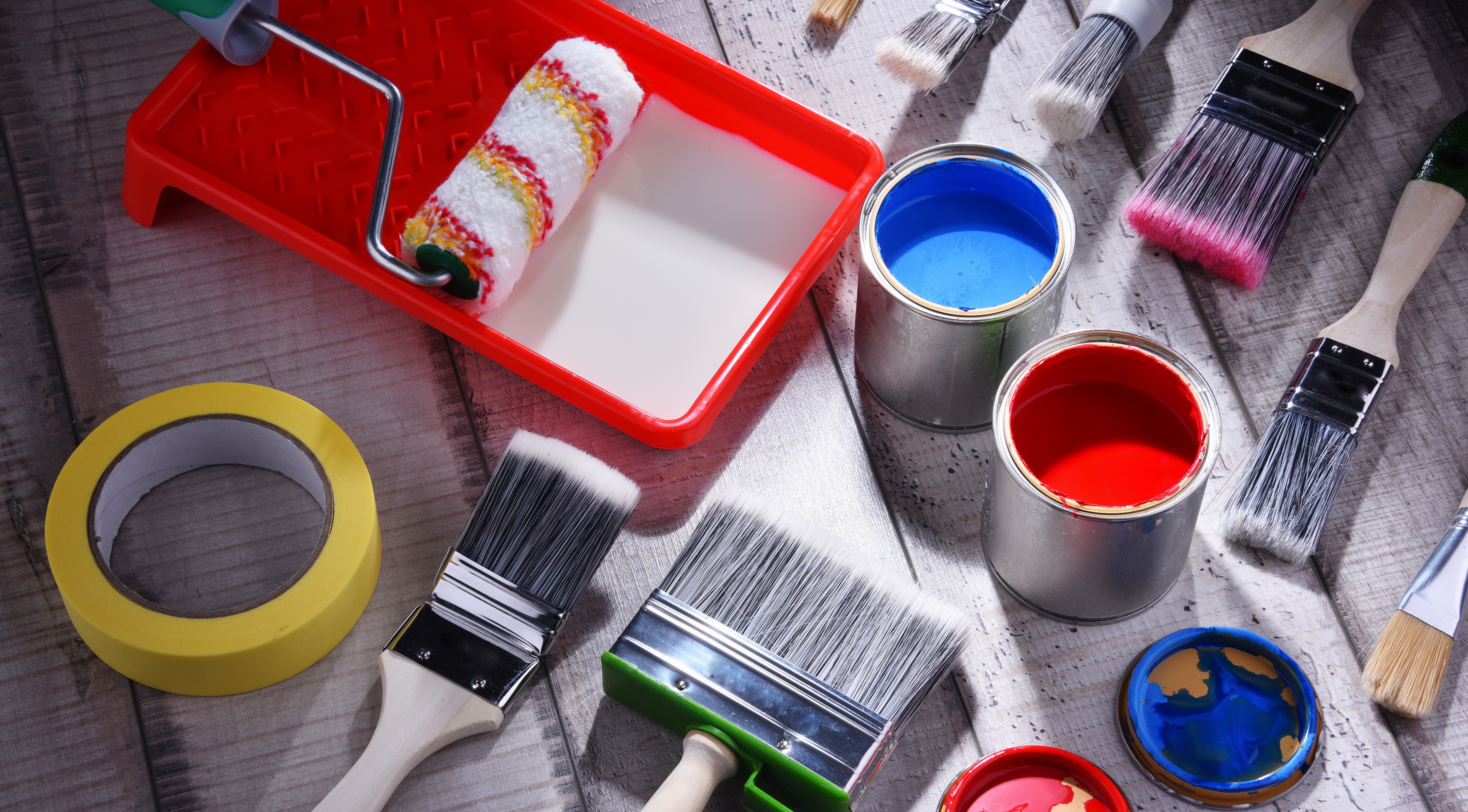
Investing in high-quality tools can also make a difference. Cheap brushes and rollers might leave streaks or lint, affecting the finish. Similarly, a well-maintained spray gun ensures a consistent application, minimizing the risk of imperfections.
Environmental Considerations
Environmental factors can greatly affect the outcome of a coating application. Temperature, humidity, and wind conditions can all influence drying times and adhesion. It's essential to follow manufacturer recommendations regarding these conditions.
For outdoor projects, choosing a day with mild weather can prevent issues like bubbling or cracking. Indoor applications should ensure proper ventilation to allow for adequate drying and curing.
Regular Inspection and Maintenance
After applying a coating, regular inspection and maintenance are vital to ensure longevity. Look for signs of wear or damage, such as cracking or peeling, and address these issues promptly. Regular maintenance can extend the life of the coating and protect the underlying material.
In conclusion, avoiding common mistakes in coating applications requires careful planning and execution. By understanding the basics, preparing the surface properly, using the right tools, considering environmental factors, and maintaining the coating, you can achieve a durable and professional finish.