Expert Insights: Common Mistakes in Coating Inspections and How to Avoid Them


Understanding the Importance of Coating Inspections
Coating inspections play a crucial role in maintaining the integrity and longevity of structures, equipment, and various surfaces. These inspections ensure that coatings are applied correctly and are functioning as intended. However, there are common mistakes that can undermine these efforts, leading to costly repairs and potential safety hazards.
By understanding and avoiding these common pitfalls, professionals can enhance the effectiveness of their coating inspections, ensuring that surfaces remain protected and durable.
Overlooking Surface Preparation
One of the most common mistakes in coating inspections is neglecting to properly assess surface preparation. Surface preparation is critical to the adhesion and overall performance of the coating. Inspectors must ensure that surfaces are free of contaminants such as oil, dust, and rust before application.
To avoid this mistake, inspectors should verify that the surface preparation meets the specified standards and document any deviations. Proper preparation not only enhances adhesion but also extends the lifespan of the coating.
Inadequate Measurement Techniques
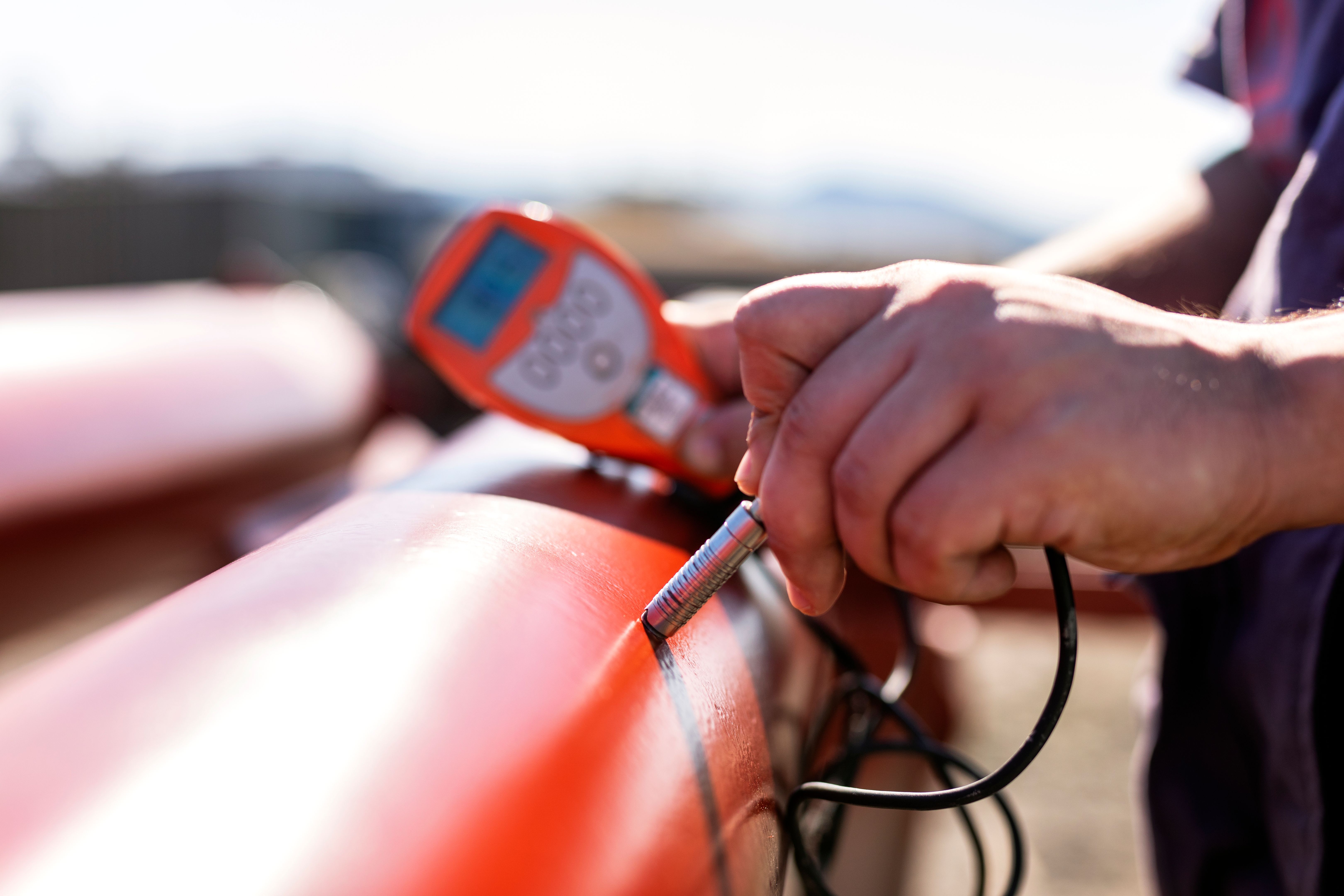
Another frequent error is the use of improper or inadequate measurement techniques. Accurate measurements of coating thickness, environmental conditions, and surface profile are essential for a successful inspection. Using outdated or uncalibrated equipment can lead to incorrect assessments.

Inspectors should regularly calibrate their tools and stay updated on the latest measurement technologies. This ensures reliable data collection and helps maintain the quality of the coating process.
Ignoring Environmental Conditions
Environmental factors such as temperature, humidity, and wind can significantly affect the application and performance of coatings. Ignoring these conditions during inspections can lead to premature coating failure.
To prevent this, inspectors should monitor and document environmental conditions before, during, and after the coating process. This information is vital for determining the suitability of the conditions for coating application.

Failure to Follow Specifications
Specifications provide a roadmap for the coating process, detailing the materials, methods, and standards required for successful application. A common mistake is the failure to adhere strictly to these specifications during inspections.
Inspectors must familiarize themselves with the project specifications and ensure that all aspects of the coating process align with these guidelines. Deviations can lead to compromised coating performance and increased liability.
Insufficient Documentation
Proper documentation is essential for coating inspections. Without comprehensive records, it becomes challenging to track the inspection process and identify areas that may require attention. Insufficient documentation can also hinder future maintenance efforts.
Inspectors should maintain detailed records of all inspection activities, including surface conditions, environmental factors, and measurement data. This documentation serves as a valuable reference for ongoing maintenance and quality assurance.

Conclusion: Enhancing Coating Inspections
By recognizing and addressing these common mistakes, professionals can significantly improve the quality and effectiveness of coating inspections. Ensuring proper surface preparation, accurate measurements, environmental awareness, adherence to specifications, and thorough documentation are key to successful outcomes.
Ultimately, avoiding these pitfalls not only extends the life of the coatings but also enhances the safety and reliability of the structures they protect.