Expert Insights: Common Mistakes in Coating Inspection and How to Avoid Them


Understanding Coating Inspection
Coating inspection is a crucial aspect of maintaining infrastructure and equipment. It ensures that coatings are applied correctly and are functioning as intended, protecting surfaces from corrosion and wear. However, even seasoned professionals can make mistakes during the inspection process.
Inadequate Surface Preparation
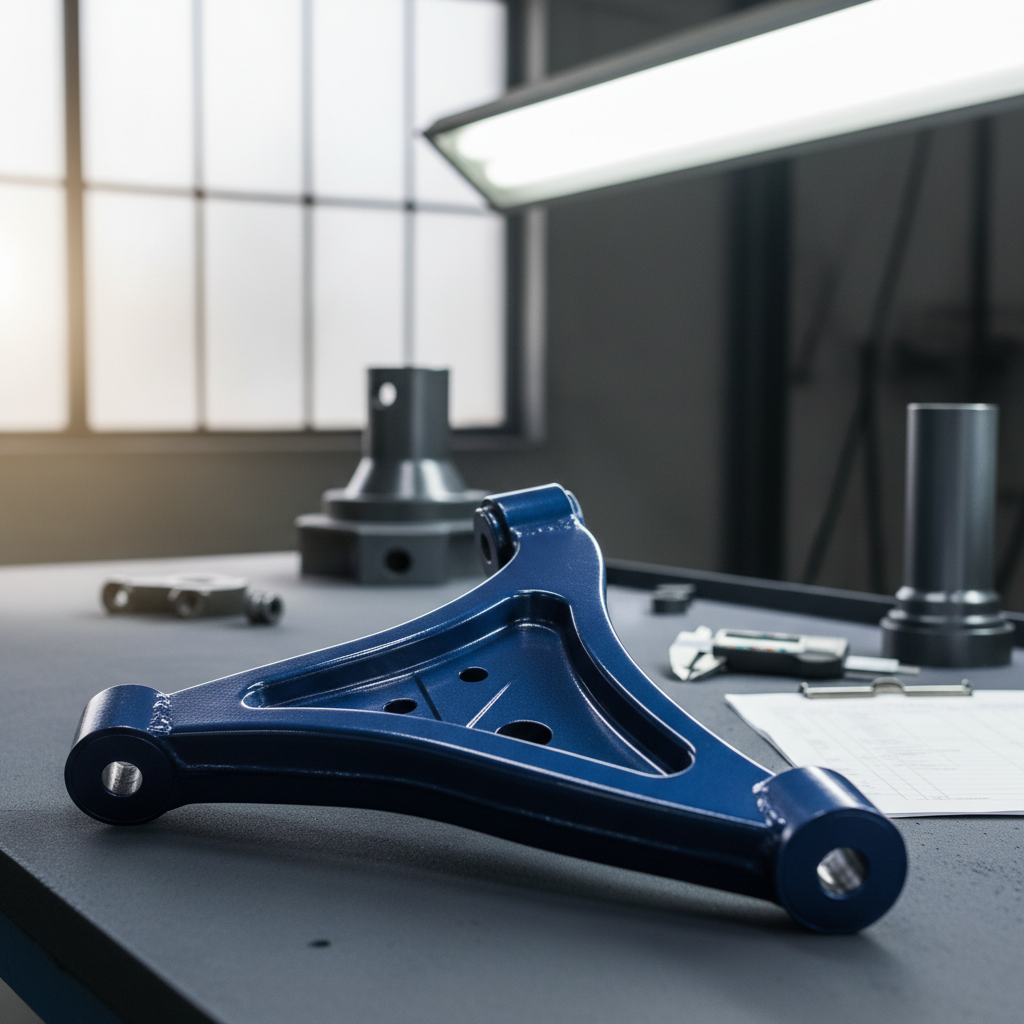
One of the most common mistakes in coating inspection is inadequate surface preparation. The quality of the coating depends heavily on the cleanliness and texture of the surface it's applied to. Skipping steps or rushing the preparation phase can lead to premature coating failure.
To avoid this, ensure that all surfaces are thoroughly cleaned and prepared according to the manufacturer's specifications. Use methods like sandblasting or power washing to achieve the desired surface profile.
Ignoring Environmental Conditions
Environmental factors such as temperature, humidity, and wind can significantly impact the application and performance of coatings. Ignoring these conditions during inspection can result in inaccurate assessments and recommendations.
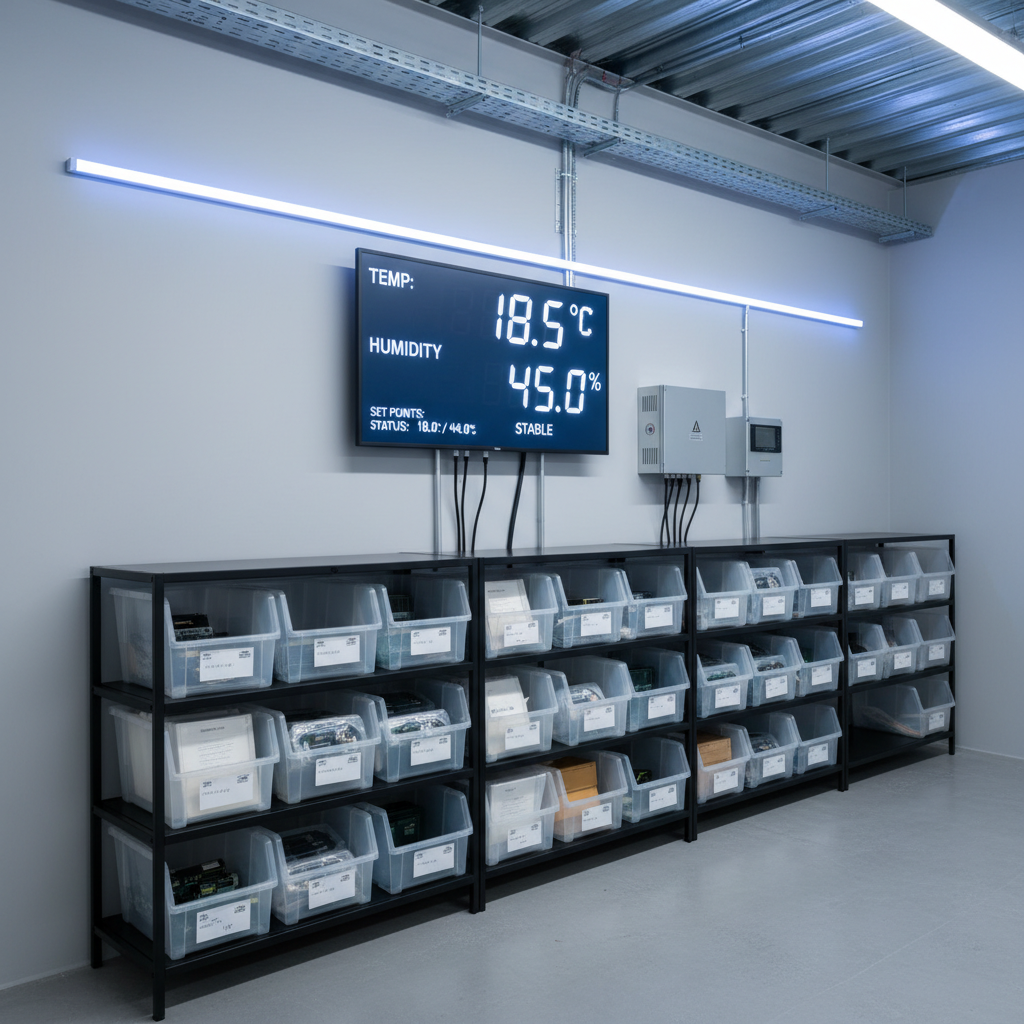
To prevent this mistake, always monitor and document environmental conditions during the coating process. Use tools like hygrometers and thermometers to ensure conditions are within acceptable limits for the specific coating being used.
Overlooking Coating Thickness
Another frequent oversight is neglecting to measure the coating thickness accurately. A coating that's too thin may not provide adequate protection, while a too-thick application can lead to cracking or peeling.
Utilize proper measuring tools, such as dry film thickness gauges, to verify that the coating meets the required specifications. Regular checks during the application process can help catch any deviations early.
Failing to Document Findings
Documentation is a vital part of coating inspection, yet it's often neglected. Without comprehensive records, it becomes challenging to track performance over time or address any issues that arise.
Always document your findings meticulously, including photographs, measurements, and notes on environmental conditions. This practice not only aids in quality control but also provides valuable data for future projects.
Neglecting Safety Protocols
Safety should never be an afterthought in coating inspection. Failing to adhere to safety protocols can put inspectors at risk and compromise the integrity of the inspection.
Ensure that all personnel are equipped with the necessary safety gear and trained to handle inspection tools and equipment properly. Regular safety audits can help maintain a culture of safety and vigilance.
Conclusion
By being aware of these common mistakes and implementing strategies to avoid them, inspectors can enhance the effectiveness of their work and ensure the longevity of coatings. Continuous education and adherence to industry standards are key to successful coating inspections.