DIY Tips: How to Perform a Basic Coating Inspection at Home


Understanding the Basics of Coating Inspection
Performing a basic coating inspection at home is a valuable skill for maintaining the longevity and appearance of various surfaces. Whether it's a protective layer on your car or a fresh coat of paint on your walls, understanding how to inspect these coatings can save you time and money. By following a few simple steps, you can ensure that your coatings remain in excellent condition.
Coating inspections typically involve checking for uniformity, adhesion, and any signs of damage. These checks help identify potential issues before they become severe, allowing for timely repairs. Let’s explore how you can conduct a basic inspection effectively.
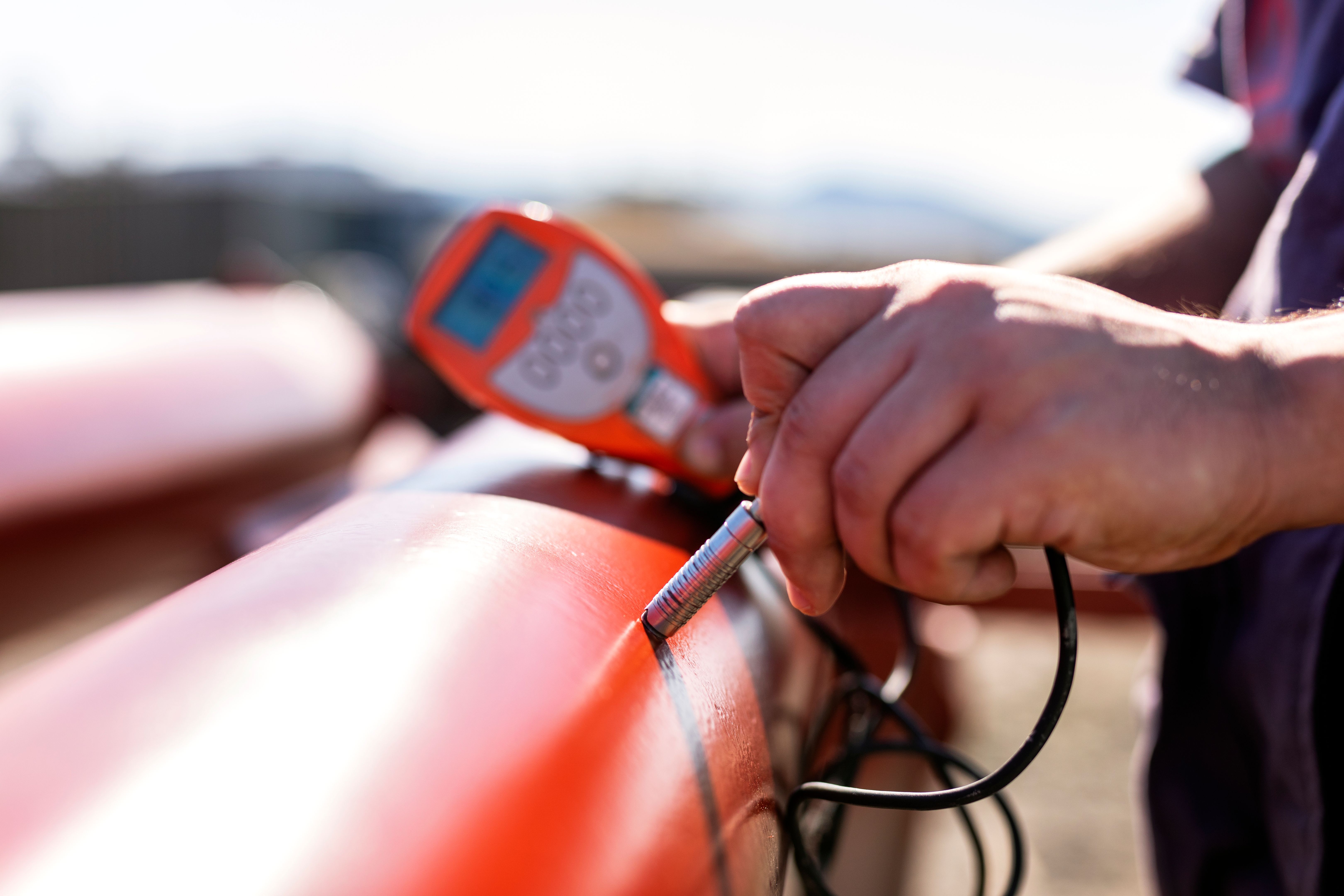
Gathering the Necessary Tools
Before you begin your inspection, it's important to gather the right tools. Having the appropriate equipment ensures that you can perform each step accurately. Here is a list of essential tools you might need:
- Flashlight: To illuminate surfaces and highlight imperfections.
- Magnifying Glass: For a closer look at small details.
- Measuring Tape: To measure the extent of any damage.
- Notebook: To record your findings.
With these tools in hand, you’ll be ready to start your inspection process.
Inspecting for Surface Uniformity
Uniformity is a key factor in the effectiveness of a coating. Start by visually examining the surface for consistency in color and texture. Uneven patches can indicate application errors or wear over time. Use your flashlight to highlight any areas that look different from the rest.
Pay close attention to corners and edges, as these areas are more prone to issues. If you notice any discrepancies, mark them down in your notebook for further examination.
Checking Adhesion and Integrity
Adhesion is crucial for the durability of the coating. Lightly tap or press on different sections of the surface to check for any peeling or bubbling. These signs indicate that the coating is not adhering properly and may require touch-ups or repairs.
Additionally, inspect for cracks or chips that could compromise the coating’s integrity. Use your magnifying glass to get a detailed view of any problem areas. Document your findings, as you'll need this information for any necessary corrective actions.
Documenting and Addressing Issues
Once you have completed your inspection, review your notes to assess the overall condition of the coating. If you have identified any issues, consider whether they can be addressed through DIY methods or if professional assistance is needed.
Simple problems like minor peeling can often be fixed with touch-up kits available at most hardware stores. For more severe issues, such as extensive cracking, seeking professional help might be the best course of action.
Regular inspections help maintain the quality and appearance of your coatings, ensuring they provide protection and aesthetic value for years to come. By following these DIY tips, you can confidently perform basic coating inspections at home.