Comprehensive Guide to Coating Inspection in Auckland


Introduction to Coating Inspection
Auckland, known for its unique weather conditions and proximity to the sea, presents specific challenges in maintaining infrastructure and buildings. One essential aspect of this maintenance is coating inspection, which ensures that surfaces are protected from corrosion and wear. In this guide, we'll delve into the essentials of coating inspection, offering insights into its importance, processes, and benefits.
Why Coating Inspection Matters
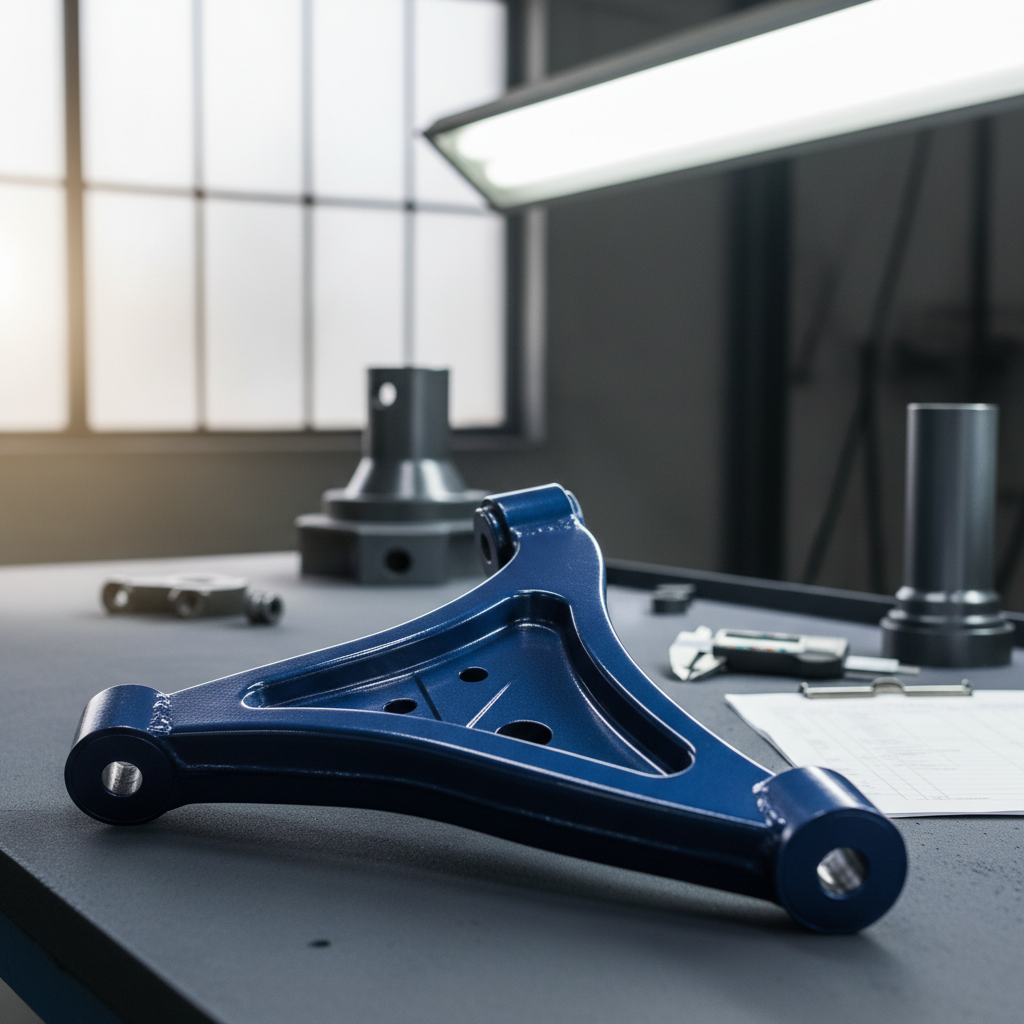
Coating inspection is crucial for protecting surfaces from the effects of the environment. In Auckland, the combination of salty air and frequent rainfall can lead to rapid deterioration if surfaces are not properly coated. Regular inspections help in identifying potential issues early, preventing costly repairs and extending the life of structures.
Moreover, coating inspection ensures compliance with local regulations and industry standards, maintaining safety and quality across projects. For businesses, this means not only safeguarding assets but also meeting the expectations of stakeholders and clients.
The Inspection Process
The coating inspection process involves several key steps:
- Pre-Inspection Meeting: Discussing the project scope, requirements, and safety protocols.
- Surface Preparation: Ensuring the surface is clean and ready for coating application.
- Application Monitoring: Checking the coating thickness and application methods.
- Post-Application Inspection: Inspecting the final coating for defects or inconsistencies.
Tools and Techniques
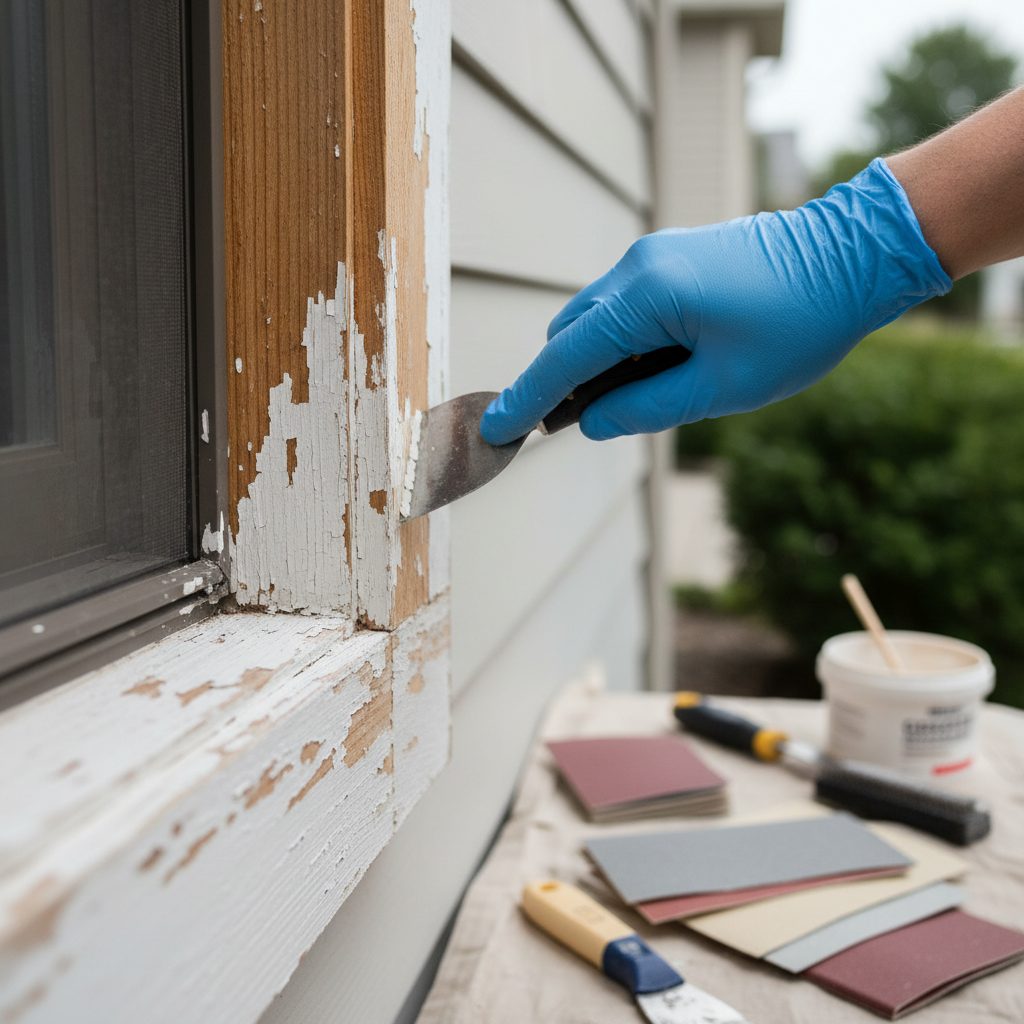
Coating inspectors utilize a variety of tools and techniques to ensure that coatings meet the required standards. Common tools include thickness gauges, adhesion testers, and visual inspection aids. In Auckland, inspectors often use advanced technology to combat the unique challenges posed by the local climate.
Advancements in inspection technology have also made it easier to conduct thorough assessments. With digital tools and software, inspectors can provide detailed reports and recommendations, enhancing transparency and decision-making.
Choosing the Right Inspector
When selecting a coating inspector in Auckland, it's essential to consider qualifications and experience. Look for inspectors certified by recognized organizations, as this ensures they adhere to industry standards and best practices.
Additionally, consider the inspector's familiarity with local conditions and their ability to provide tailored solutions. An inspector who understands Auckland's specific challenges will be better equipped to offer effective and long-lasting protective measures.
Conclusion
Coating inspection is a vital component of maintaining infrastructure in Auckland. By understanding the inspection process and selecting the right professionals, you can ensure that your assets are well-protected against the elements. Regular inspections not only preserve the integrity of structures but also contribute to sustainability and safety.
Whether you're managing a large commercial project or a small residential property, investing in quality coating inspections will pay off in the long run, ensuring durability and peace of mind.