Comprehensive Guide to Coating Inspection: Ensuring Quality Every Time


Understanding Coating Inspection
Coating inspection is a critical process in ensuring the longevity and performance of protective coatings. Whether it's for industrial equipment, infrastructure, or consumer goods, proper inspection ensures that coatings meet specified standards and perform as intended. This guide will delve into the essential aspects of coating inspection, providing insights into why it's crucial and how it can be effectively conducted.
The Importance of Coating Inspection
Coatings are applied to protect surfaces from corrosion, wear, and other environmental factors. An inadequate coating can lead to significant damage, resulting in costly repairs and downtime. Regular inspections help identify potential issues early, ensuring that coatings provide the maximum level of protection. This not only extends the life of the asset but also ensures compliance with industry standards.
Moreover, coating inspection is essential for maintaining safety. Poorly coated surfaces can lead to hazardous conditions, especially in industries like oil and gas or chemical manufacturing. Ensuring that coatings are properly applied and inspected can prevent accidents and enhance operational safety.
Key Steps in Coating Inspection
The coating inspection process involves several key steps to ensure thorough evaluation. Understanding these steps is vital for inspectors to perform their duties effectively:
- Pre-Inspection: This involves reviewing the project specifications and understanding the environmental conditions where the coating is applied.
- Surface Preparation Inspection: Ensuring that the surface is prepared correctly is crucial for coating adhesion.
- Application Inspection: During application, inspectors check for uniformity, thickness, and any visible defects.

Tools and Techniques
Various tools and techniques are employed in coating inspection to ensure precision and accuracy. Some common tools include:
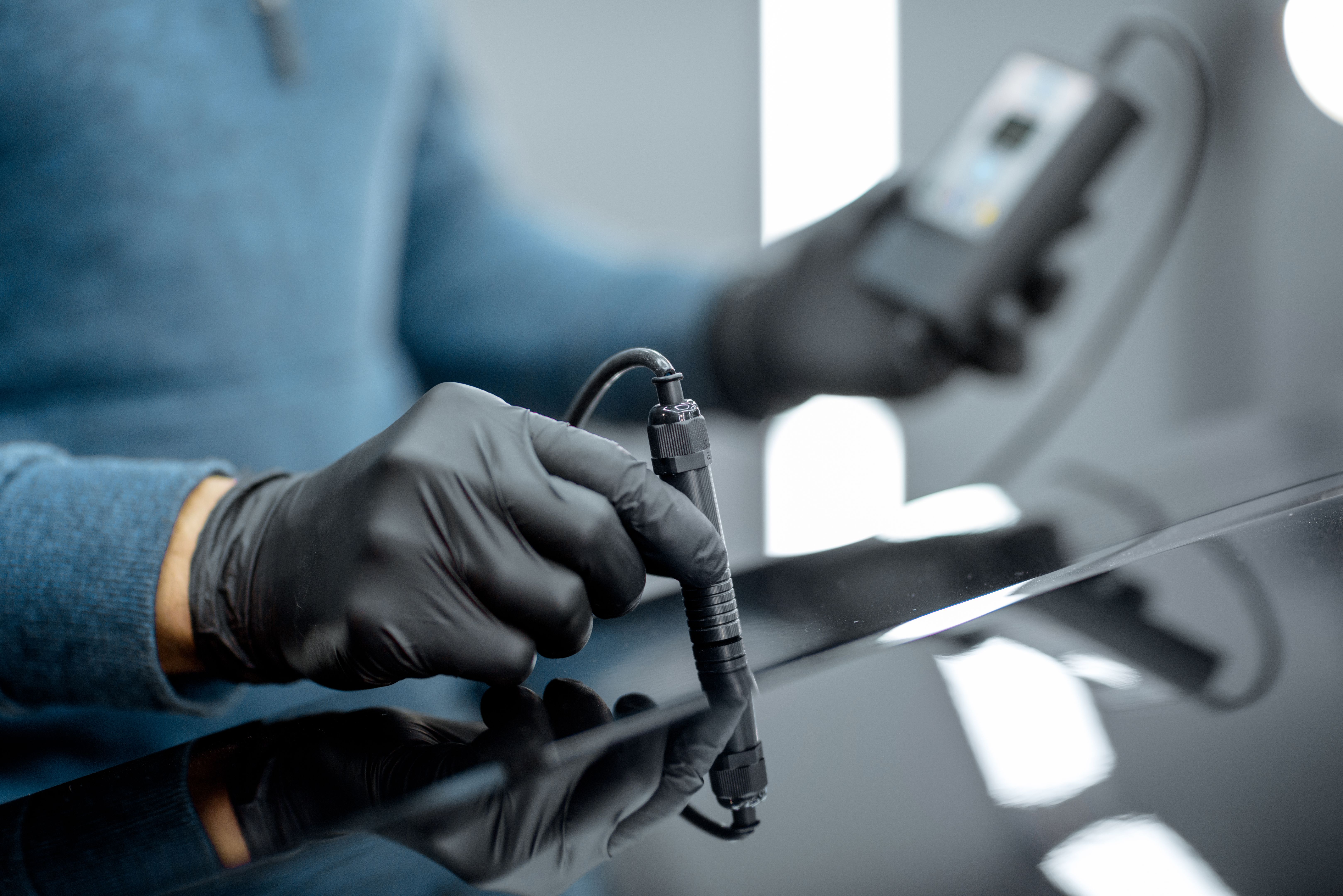
- Dry Film Thickness Gauges: Used to measure the thickness of the coating layer.
- Adhesion Testers: Assess the bond strength between the coating and the substrate.
- Visual Inspection Tools: Magnifiers and mirrors help inspect hard-to-reach areas.
Using advanced techniques, such as ultrasonic testing and infrared thermography, inspectors can detect subsurface defects and ensure comprehensive evaluation.
Training and Certification
Proper training and certification are essential for coating inspectors. Accredited programs provide the necessary knowledge and skills to perform inspections according to industry standards. Certification not only validates an inspector’s expertise but also enhances their credibility and trustworthiness in the field.

Challenges and Solutions
Coating inspection comes with its challenges, such as environmental conditions affecting the inspection process or access limitations to certain areas. However, by employing modern technologies and continuous training, these challenges can be mitigated.
For instance, remote inspection tools and drones can access hard-to-reach areas, while real-time data analysis helps in making informed decisions quickly.
Conclusion
In conclusion, coating inspection is a fundamental aspect of maintaining the integrity and performance of protective coatings. By understanding the key steps, utilizing the right tools, and ensuring proper training, companies can significantly enhance their coating inspection processes. This not only ensures quality and compliance but also contributes to long-term safety and efficiency.