Comprehensive Guide to Coating Inspection: Ensuring Quality and Safety


Understanding Coating Inspection
Coating inspection is a crucial process in industries ranging from construction to automotive. It ensures that applied coatings meet specific standards for quality and safety. A comprehensive inspection can prevent costly repairs and potential safety hazards by identifying issues early.
The Importance of Coating Inspection
Coatings serve as protective barriers, shielding materials from environmental factors such as moisture, chemicals, and UV radiation. Proper inspection ensures these coatings perform their intended function, extending the lifespan of the underlying materials. Without regular inspection, coatings may fail prematurely, leading to structural damage and increased maintenance costs.
Key Steps in the Coating Inspection Process
Effective coating inspection involves several key steps, each designed to ensure thorough evaluation:
- Pre-Inspection Preparation: This involves reviewing project specifications and standards to understand the requirements.
- Surface Assessment: Inspectors examine the surface to be coated, checking for cleanliness, roughness, and any defects that might affect coating adhesion.
- Application Monitoring: During the coating application, inspectors monitor environmental conditions and application techniques to ensure compliance with specifications.

Inspection Tools and Techniques
Various tools and techniques are employed in coating inspection to ensure accuracy and reliability. These include:
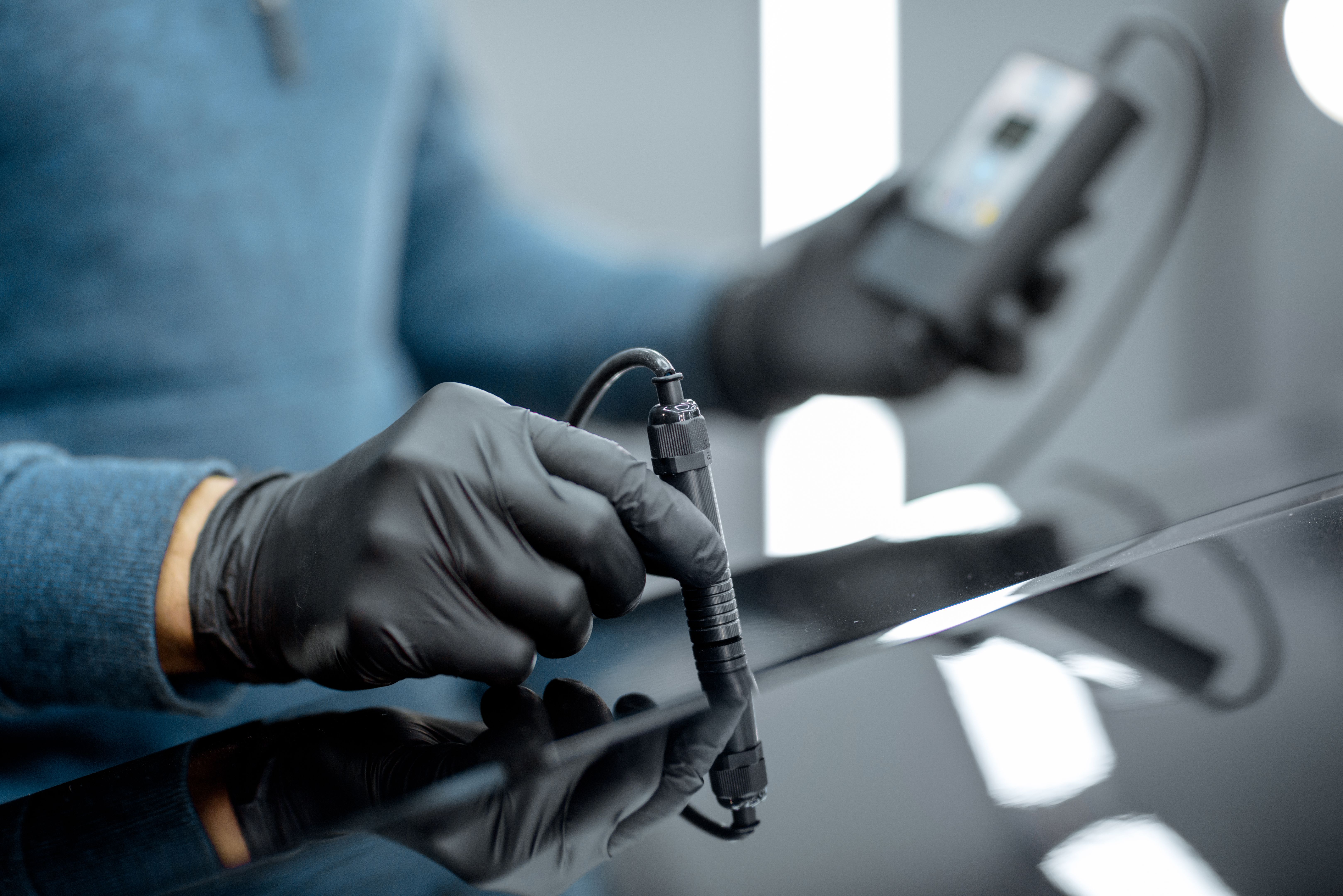
- Thickness Gauges: Used to measure the thickness of the applied coating, ensuring it meets the specified requirements.
- Adhesion Tests: These tests determine how well the coating adheres to the substrate, which is critical for long-term performance.
- Visual Inspection: Inspectors use visual checks to identify any visible defects such as bubbles, cracks, or uneven coverage.
Challenges in Coating Inspection
While essential, coating inspection comes with its own set of challenges. Environmental conditions such as temperature and humidity can affect the inspection process. Additionally, accessing certain areas for inspection might require specialized equipment or safety precautions.

The Role of Technology in Coating Inspection
Advancements in technology have significantly enhanced the coating inspection process. Tools like drones and 3D scanners provide inspectors with new ways to evaluate coatings efficiently and safely. Digital reporting systems also enable better documentation and analysis, ensuring continuous improvement.
Conclusion: Ensuring Quality and Safety
In conclusion, coating inspection is a vital component of maintaining the integrity and safety of structures and products. By following a comprehensive inspection process and utilizing the latest tools and technology, industries can ensure that their coatings are up to standard, providing reliable protection and performance.
Regular coating inspections not only help in maintaining quality but also play a significant role in enhancing safety, reducing long-term costs, and contributing to sustainable practices.