Comprehensive Guide to Coating Inspection: Ensuring Quality and Longevity


Understanding Coating Inspection
Coating inspection is a critical process in ensuring the quality and longevity of protective coatings applied to various surfaces. These coatings serve as a barrier against environmental factors and physical damage, preserving the integrity of structures and equipment. A comprehensive coating inspection helps identify potential issues early, preventing costly repairs and extending the lifespan of the coating.
The Importance of Coating Inspection
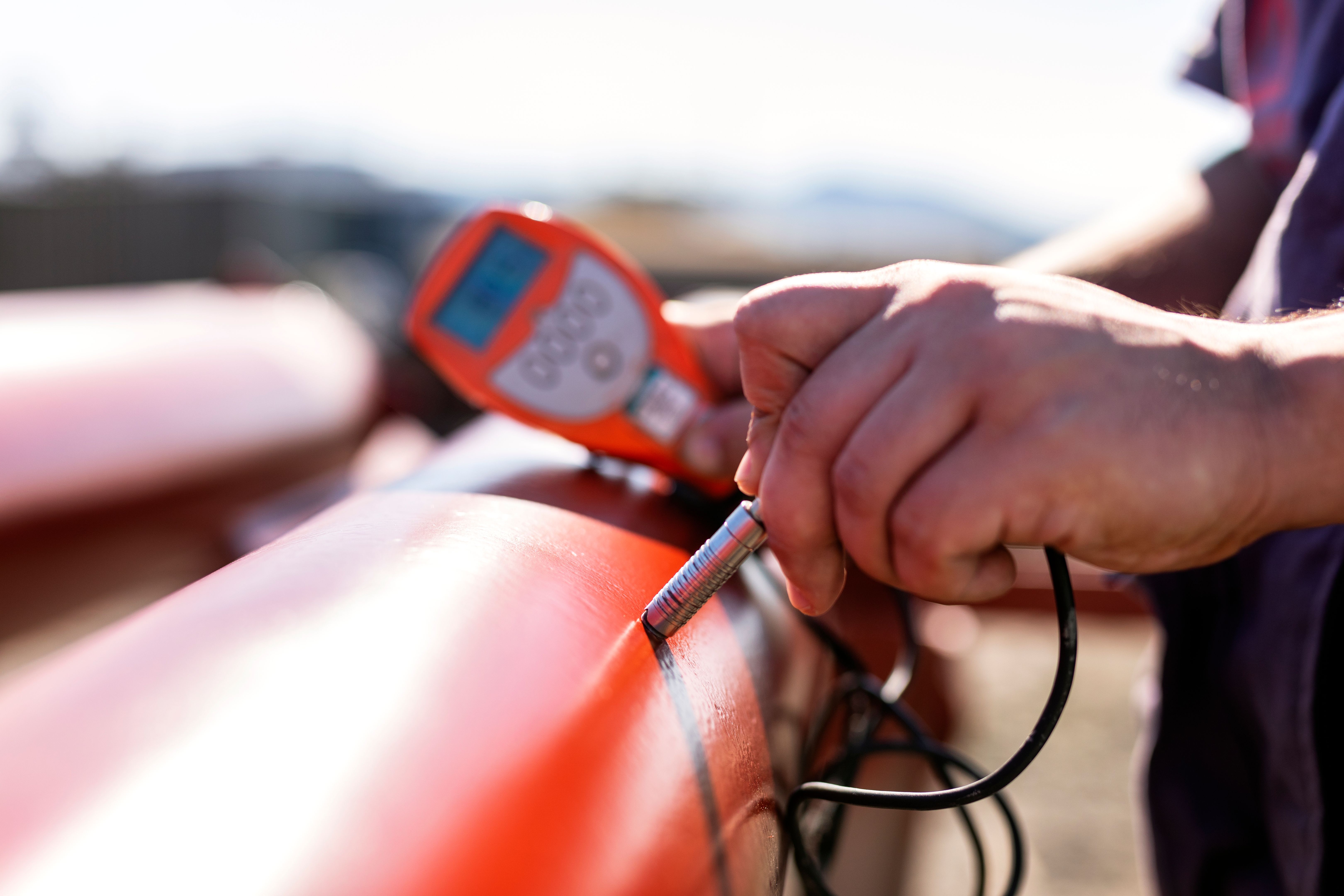
Performing regular coating inspections is essential for maintaining the performance of a coating system. Inspections help in detecting defects such as pinholes, cracks, or inadequate thickness that could compromise the effectiveness of the coating. By addressing these issues promptly, you can avoid premature failures and ensure the coating performs as expected.
Key Steps in Coating Inspection
A thorough coating inspection involves several key steps:
- Surface Preparation Check: Ensure that the surface is clean and properly prepared before coating application.
- Coating Thickness Measurement: Use appropriate tools to measure the coating thickness and ensure it meets the specified requirements.
- Adhesion Testing: Conduct tests to verify the coating's adhesion to the substrate.

Common Inspection Tools and Techniques
Inspectors use a variety of tools and techniques to assess coating quality. Common tools include thickness gauges, adhesion testers, and visual inspection devices. Techniques such as holiday testing and gloss measurement are also employed to evaluate the coating's integrity and appearance. Mastering these tools and techniques is crucial for accurate inspections.
Challenges in Coating Inspection
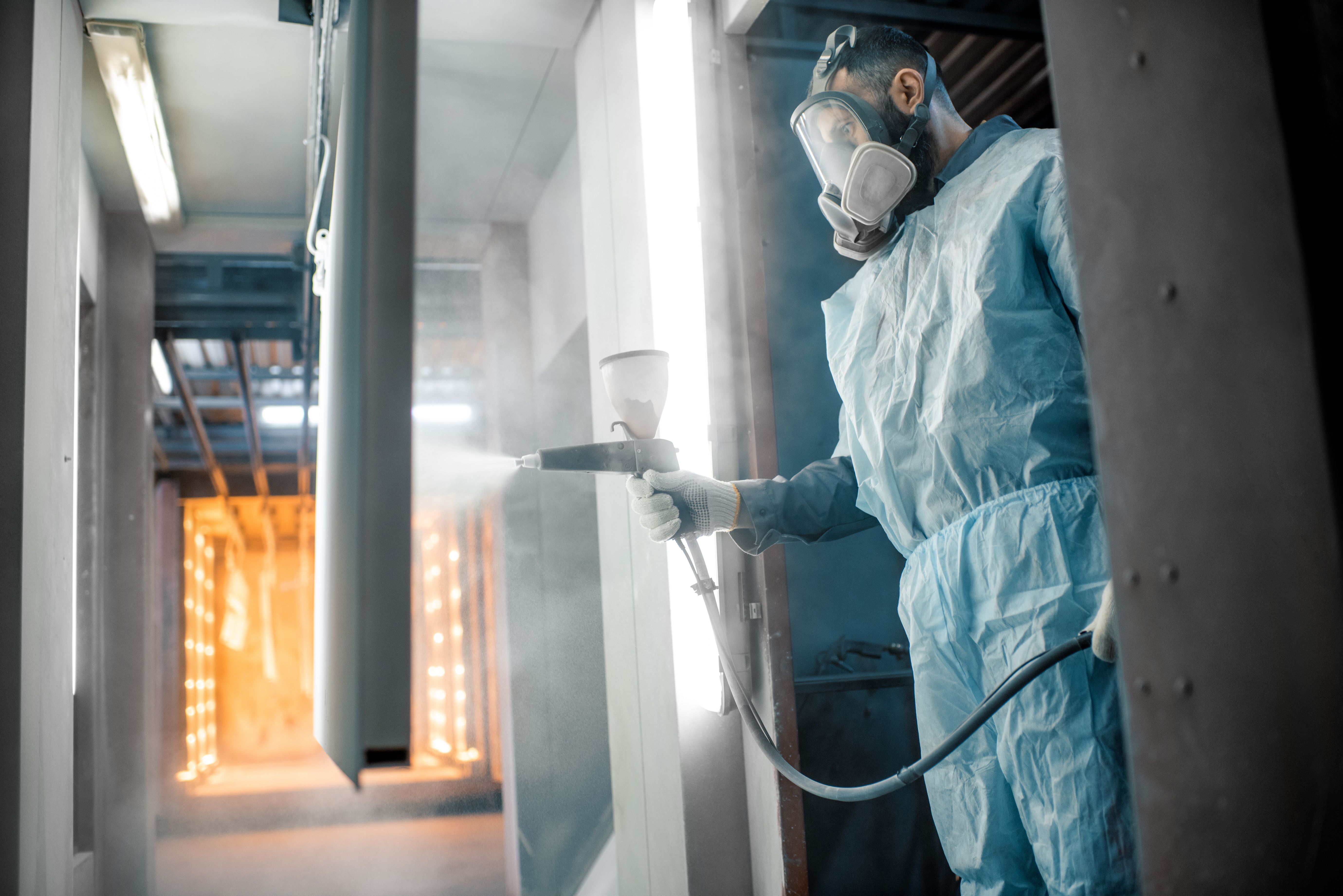
Despite advancements in technology, coating inspection can present several challenges. Environmental conditions, such as temperature and humidity, can affect the inspection process. Additionally, accessing certain areas for inspection might require specialized equipment or safety measures, adding complexity to the task.
Ensuring Longevity Through Regular Inspections
Regular inspections are vital for ensuring the long-term performance of coating systems. By conducting inspections at scheduled intervals, potential issues can be identified and addressed before they escalate. This proactive approach not only safeguards the coated structure but also optimizes maintenance costs over time.
Training and Certification for Inspectors
Proper training and certification are crucial for coating inspectors. Certification programs provide the necessary knowledge and skills to perform accurate inspections. Organizations like NACE International offer certification courses that cover various aspects of coating inspection, ensuring that inspectors are well-equipped to handle diverse challenges.

Conclusion
In conclusion, coating inspection plays an indispensable role in maintaining the efficacy and durability of protective coatings. By understanding the importance of inspections, following key steps, and overcoming challenges, businesses can ensure their coatings provide long-lasting protection. Investing in trained and certified inspectors will further enhance the quality and reliability of inspections, ultimately safeguarding both assets and investments.