Comprehensive Guide to Coating Inspection: Ensuring Quality and Longevity


Understanding Coating Inspection
Coating inspection is a critical process in ensuring the quality and longevity of protective coatings applied to various surfaces. Whether it’s a bridge, a building, or industrial equipment, coatings play a vital role in safeguarding materials from environmental damage. Proper inspection ensures that coatings are applied correctly and perform as intended over time.
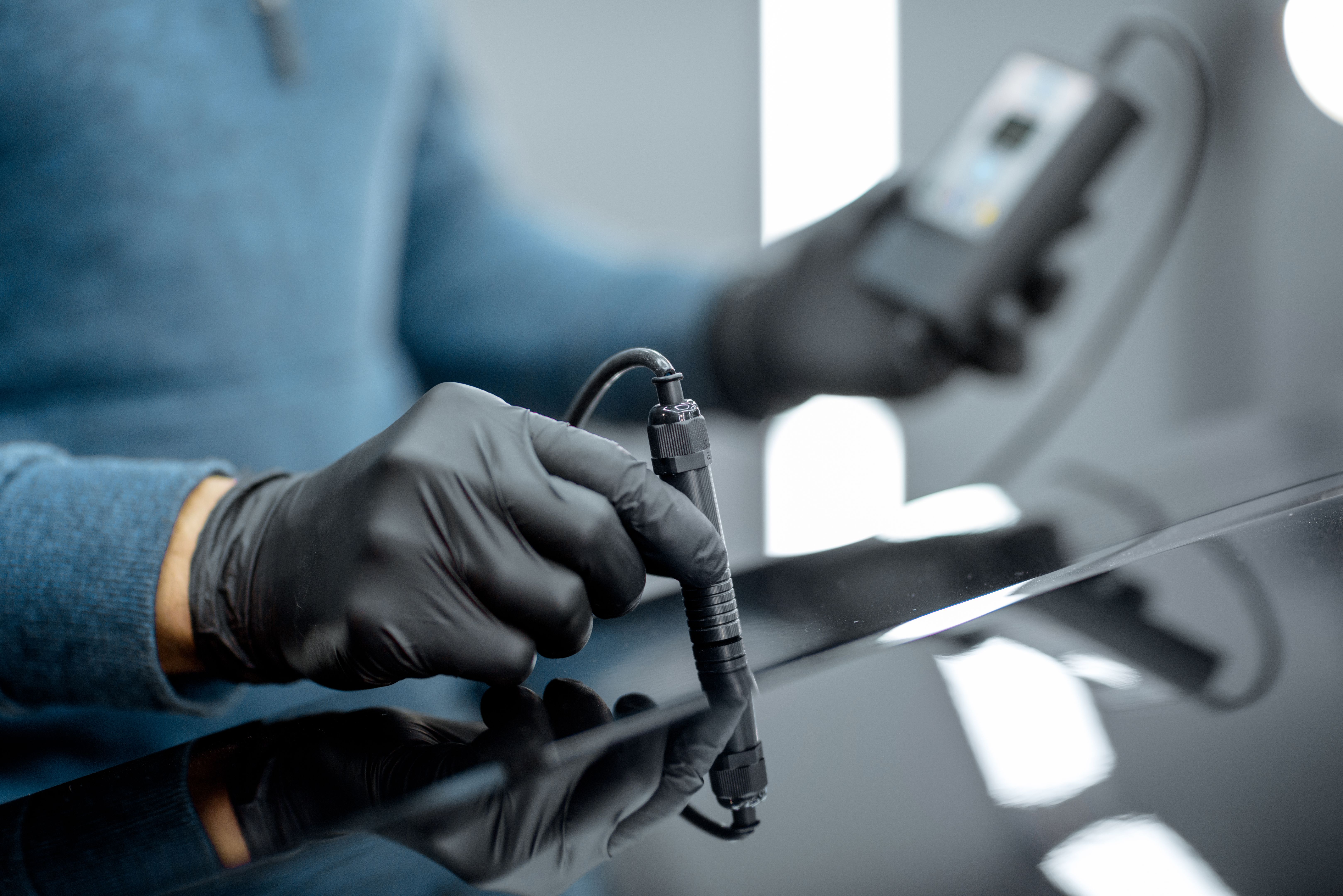
The inspection process involves checking the coating’s thickness, adhesion, and overall quality. Inspectors use a range of tools and techniques to assess the condition of the coating, ensuring it meets industry standards and specifications. By investing in thorough inspections, companies can prevent costly repairs and extend the life of their assets.
The Importance of Coating Inspection
The primary goal of coating inspection is to verify that the coating application process is performed according to the specified guidelines. This ensures that the coating will provide the necessary protection against corrosion and environmental factors. Without proper inspection, coatings may fail prematurely, leading to increased maintenance costs and potential safety hazards.
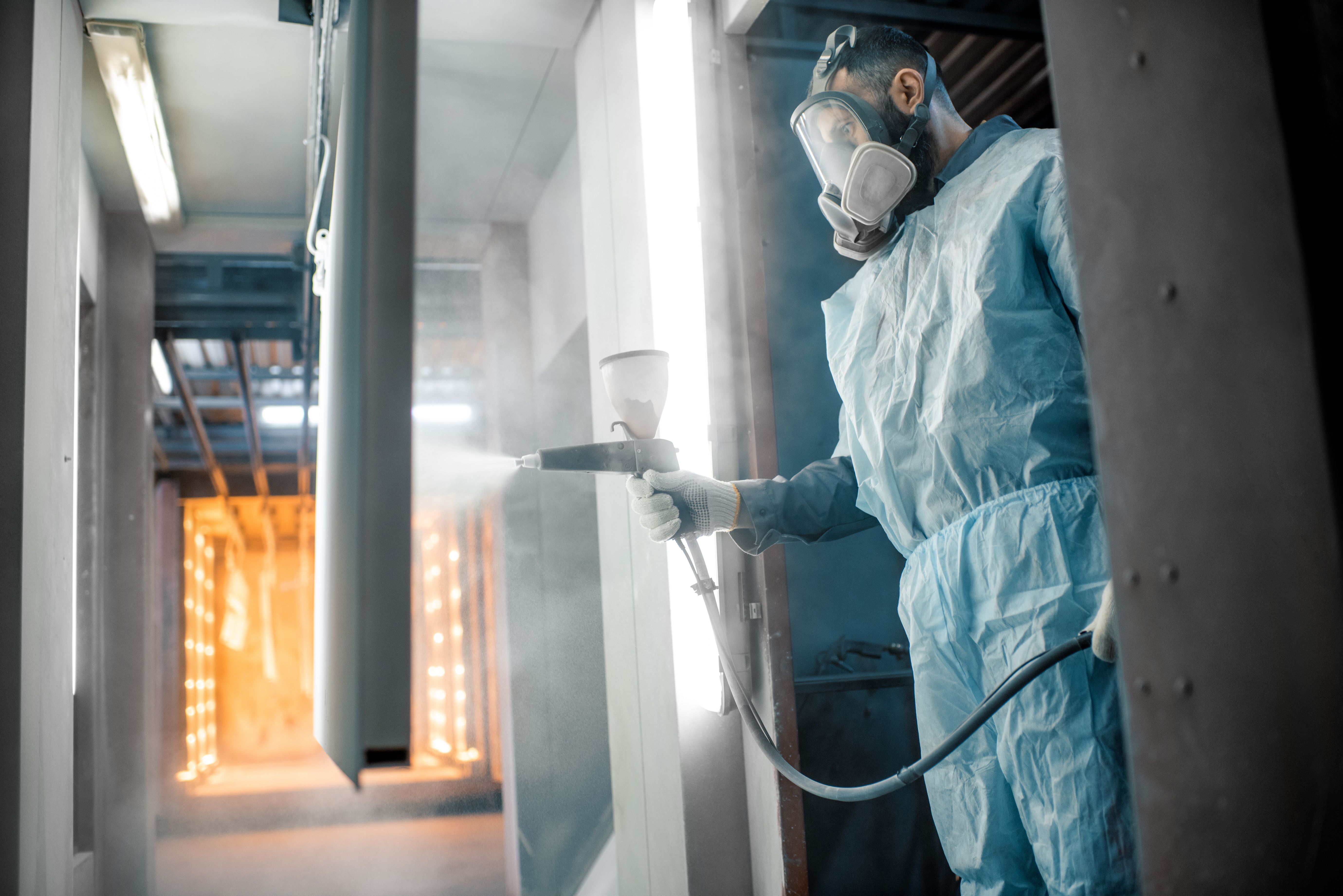
Regular inspections also help in identifying issues before they become major problems. By catching defects early, companies can take corrective actions to preserve the integrity of the structure or equipment. This proactive approach ultimately saves time and resources in the long run.
Inspection Techniques and Tools
Coating inspectors use a variety of techniques and tools to perform their duties effectively. Common methods include visual inspection, dry film thickness measurement, and adhesion testing. Each technique provides valuable insights into the coating’s condition, helping inspectors make informed decisions.
- Visual Inspection: The most basic form of inspection, focusing on identifying surface defects such as cracks, blisters, and uneven application.
- Dry Film Thickness Measurement: Ensures the coating is applied to the correct thickness, crucial for performance and longevity.
- Adhesion Testing: Determines how well the coating adheres to the substrate, a key factor in its durability.

Challenges in Coating Inspection
Despite its importance, coating inspection can be challenging. Environmental conditions, such as temperature and humidity, can affect the inspection process. Additionally, complex structures may require specialized tools and techniques to ensure comprehensive coverage.
Inspectors must also stay updated with the latest industry standards and technologies. Continuous training and development are essential for maintaining the highest levels of inspection quality.
Conclusion
Coating inspection is an essential aspect of maintaining the quality and longevity of protective coatings. By utilizing effective inspection techniques and staying informed about industry advancements, companies can ensure their coatings perform as intended, protecting valuable assets from the elements. Investing in thorough inspections not only extends the life of the coatings but also enhances overall safety and reliability.