Comprehensive Guide to Coating Inspection: Ensuring Quality and Durability


Introduction to Coating Inspection
Coating inspection is a critical process in ensuring the quality and durability of protective coatings applied in various industries. Whether it’s for pipelines, bridges, or industrial equipment, a thorough inspection process guarantees that the coatings serve their purpose effectively. By identifying potential defects early, maintenance costs can be minimized, and the longevity of the structure can be extended.
Inspections are not just about visual assessments. They encompass a range of techniques and tools designed to evaluate the coating’s thickness, adhesion, and overall integrity. Understanding these methods is essential for anyone involved in the application or maintenance of coatings.
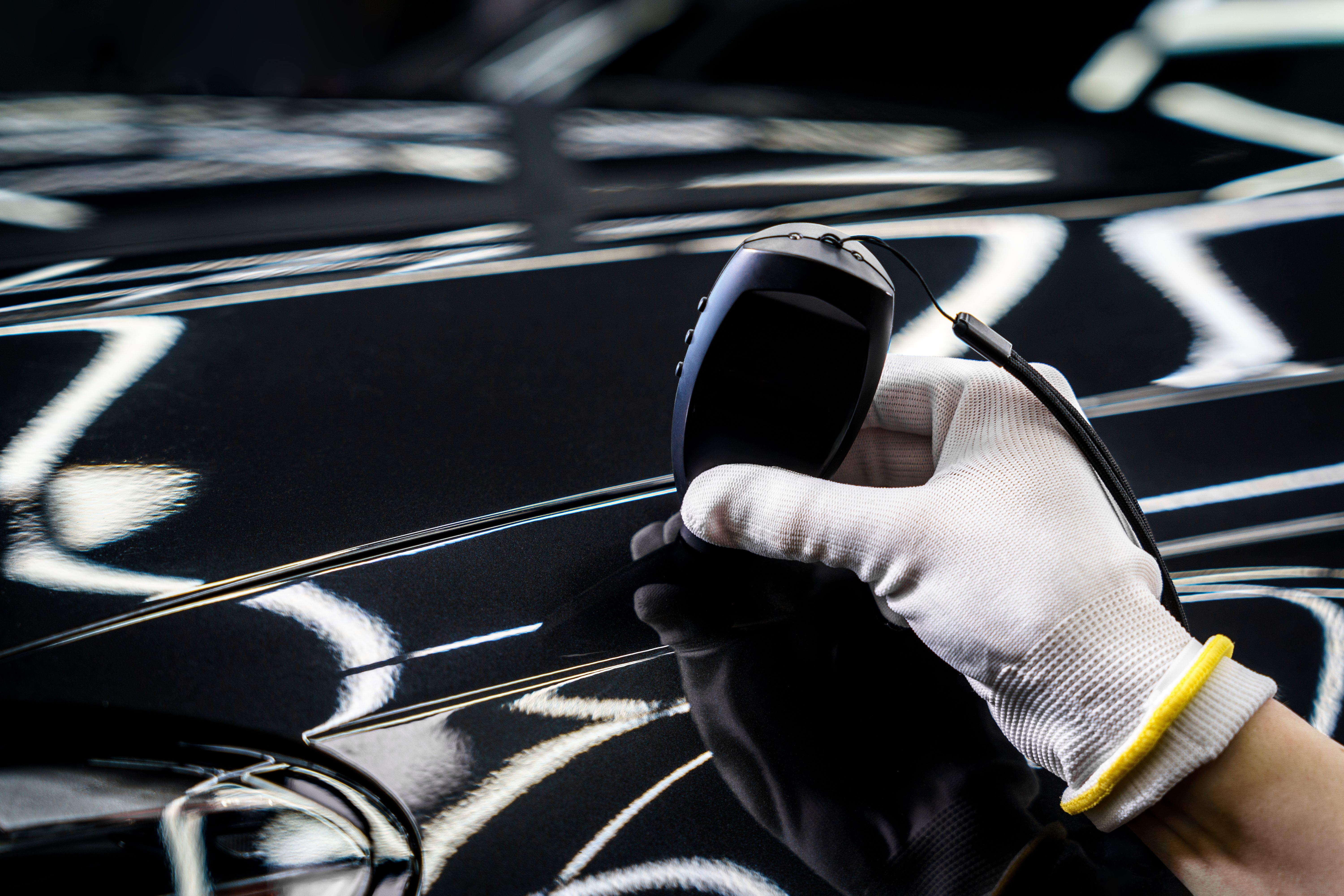
Essential Tools and Techniques
Several tools are employed during a coating inspection to ensure comprehensive evaluation. Some of the most common include:
- Dry Film Thickness (DFT) Gauge: Used to measure the thickness of the coating to ensure it meets the specified requirements.
- Adhesion Testers: Assess how well the coating adheres to the substrate.
- Visual Inspection Tools: Magnifying glasses and lighting tools help inspectors spot defects like cracks or blisters.
Each tool plays a crucial role in identifying different types of defects. Proper training in these techniques is necessary to maintain high standards of quality control.
Key Steps in the Inspection Process
The coating inspection process typically follows a series of steps to ensure thorough evaluation:
- Pre-Inspection Meeting: Discuss the project specifications and inspection plan with all stakeholders.
- Surface Preparation Assessment: Ensure the surface is properly prepared before coating application.
- Coating Application Monitoring: Oversee the application process for consistency and quality.
- Final Inspection: Conduct a comprehensive review to confirm the coating meets all specifications.

Common Defects and How to Address Them
During the inspection, inspectors often encounter defects such as blistering, cracking, or peeling. Each defect has its root cause, whether it’s improper surface preparation or environmental factors during application.
Addressing these defects involves identifying the cause and implementing corrective measures. This might include reapplication, adjustments in the environment, or changes in the coating material itself.
The Role of Standards and Certifications
Adherence to industry standards and certifications is crucial in coating inspection. Organizations like NACE International and SSPC provide guidelines that ensure inspectors are using best practices. These standards help in maintaining consistency and reliability across various projects.

By following these standards, inspectors ensure that the coatings not only protect but also enhance the lifespan of the structures they cover.
Conclusion
Coating inspection is a vital part of maintaining the integrity and durability of structures in various industries. By understanding the tools, techniques, and standards involved, inspectors can effectively ensure that coatings perform their protective function. Through thorough inspection and adherence to standards, the longevity and safety of critical infrastructure can be significantly enhanced.