Common Coating Inspection Mistakes and How to Avoid Them


Understanding the Importance of Coating Inspections
Coating inspections are critical to ensuring the longevity and effectiveness of protective coatings. These inspections help identify potential issues that could compromise the integrity of the coating, leading to costly repairs or replacements. However, common mistakes during these inspections can lead to inaccurate assessments and overlooked defects.
By understanding and avoiding these common pitfalls, inspectors can provide more accurate evaluations, ensuring that coatings perform as expected. Let's delve into some of the frequent mistakes made during coating inspections and explore strategies to avoid them.
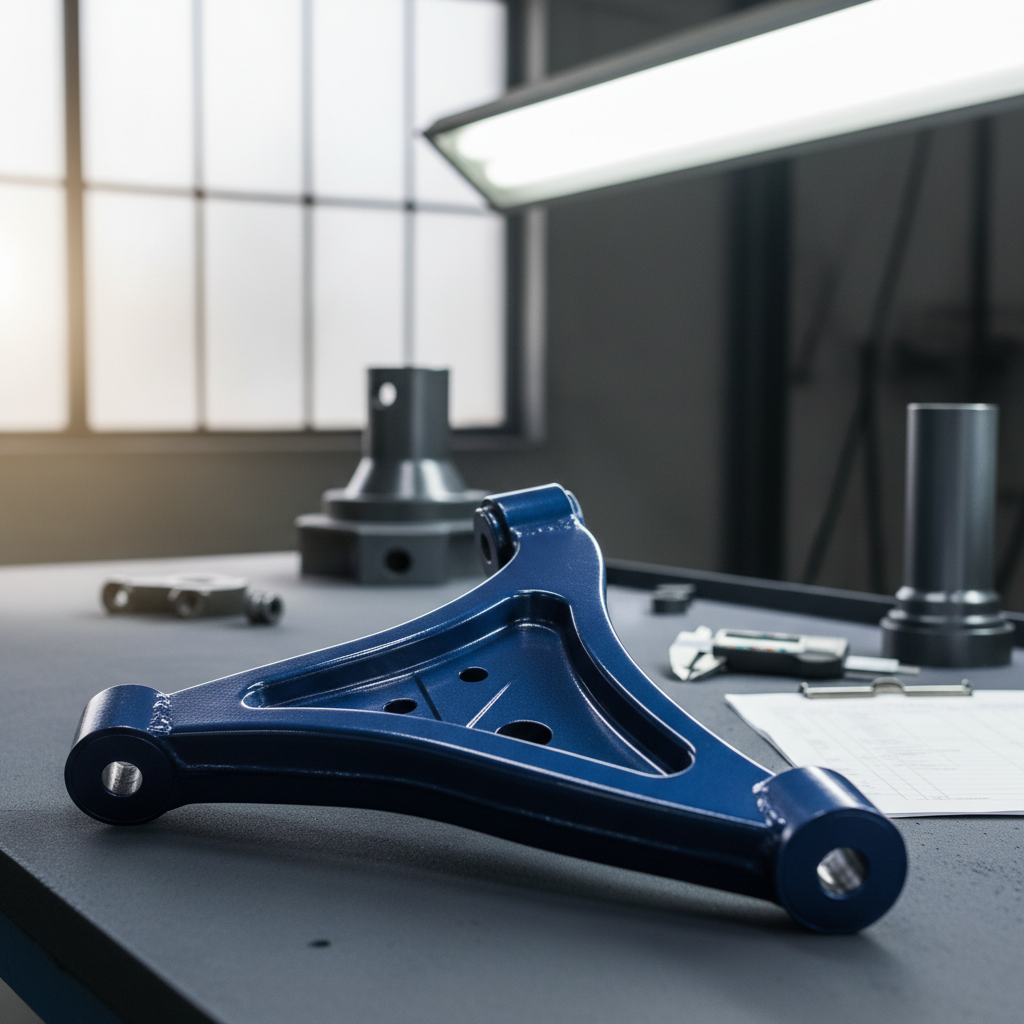
Mistake: Inadequate Surface Preparation
One of the most common mistakes is neglecting proper surface preparation before applying a coating. Surface preparation is crucial because it ensures that the coating adheres properly. Failing to adequately prepare the surface can lead to premature coating failure.
To avoid this mistake, inspectors should verify that the surface has been cleaned and prepped according to the manufacturer's specifications. This involves checking for contaminants like oil, dust, and rust, which can prevent proper adhesion.
Using the Right Tools
Inspectors should use the appropriate tools to measure surface cleanliness and profile. Tools such as adhesion testers and surface profile gauges are essential in confirming that the surface is ready for coating application.
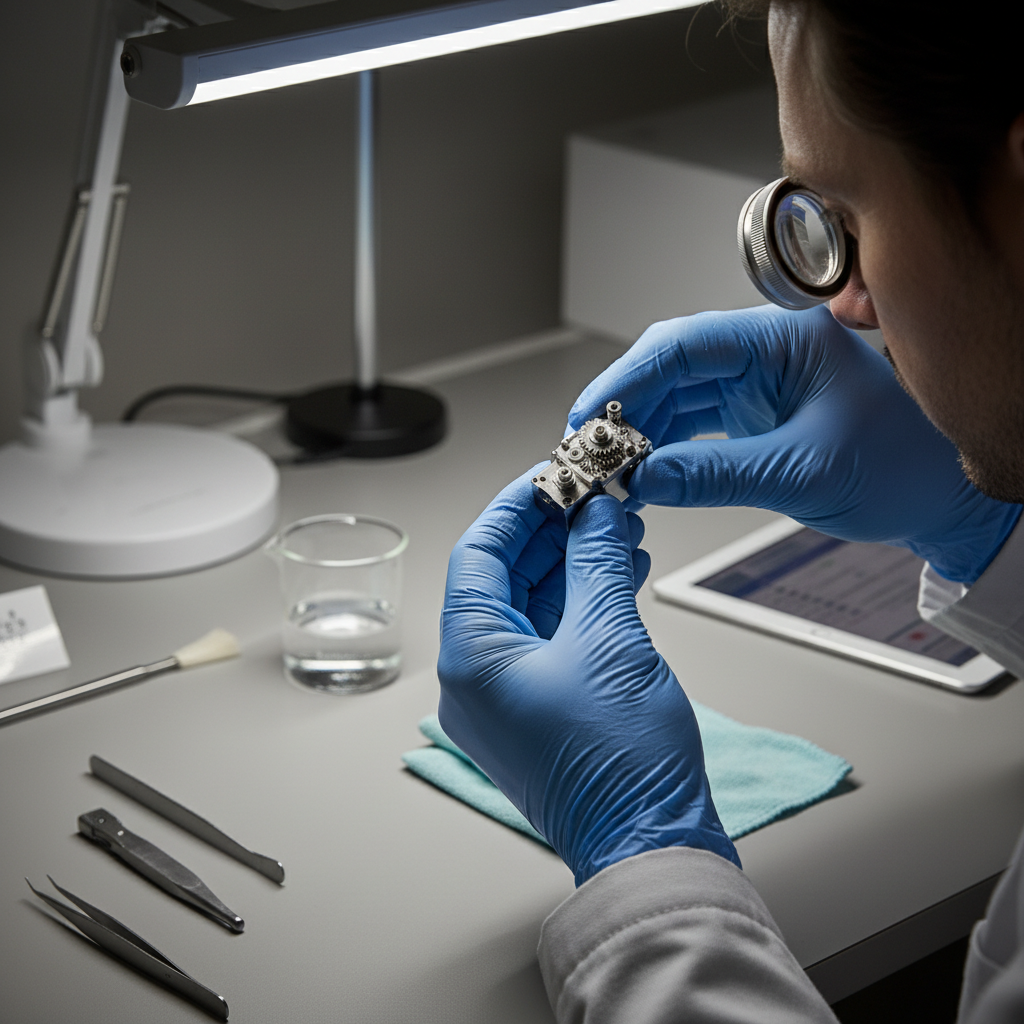
Mistake: Overlooking Environmental Conditions
Environmental conditions play a significant role in the performance of a coating. Factors such as temperature, humidity, and wind can affect how the coating cures and adheres to the surface. Overlooking these conditions can lead to defects like blistering and peeling.
Inspectors should monitor environmental conditions before and during the application process. This includes using hygrometers to measure humidity and checking temperature readings to ensure they fall within the recommended range.
Documenting Conditions
It's important to document the environmental conditions throughout the inspection process. This information can be crucial for troubleshooting issues later on and ensuring compliance with industry standards.
Mistake: Incomplete Inspection Reports
Another common error is providing incomplete or inaccurate inspection reports. These reports are vital records that detail the condition of the coating and any issues identified during the inspection. Incomplete reports can lead to misunderstandings and miscommunications among stakeholders.
To avoid this, inspectors should ensure that their reports are thorough and include all relevant details. This includes descriptions of any defects, measurements taken, and photographs for visual reference.
Standardizing Report Formats
Using a standardized report format can help ensure consistency and completeness. This approach makes it easier to compare reports over time and identify recurring issues or trends.