10 Common Coating Inspection Mistakes and How to Avoid Them


Introduction
Coating inspections are crucial in ensuring the longevity and durability of protective coatings. However, even seasoned professionals can make mistakes that compromise the inspection process. Understanding these common pitfalls and learning how to avoid them can significantly improve the quality of your inspections.
Inadequate Surface Preparation
One of the most frequent mistakes in coating inspections is failing to ensure proper surface preparation. Surface contaminants like dirt, oil, and rust can prevent coatings from adhering properly. Always verify that surfaces are clean and dry before application.
Solution
Implement a comprehensive surface preparation process. Use appropriate cleaning methods and inspect the surface visually and with tools like dust tape tests to confirm cleanliness.
Ignoring Environmental Conditions
Environmental conditions, such as temperature and humidity, play a critical role in the application and curing of coatings. Failure to monitor these conditions can lead to improper curing and reduced coating performance.

Solution
Utilize reliable instruments to monitor and record environmental conditions. Adjust the application schedule to align with favorable conditions, and be prepared to pause if conditions are not ideal.
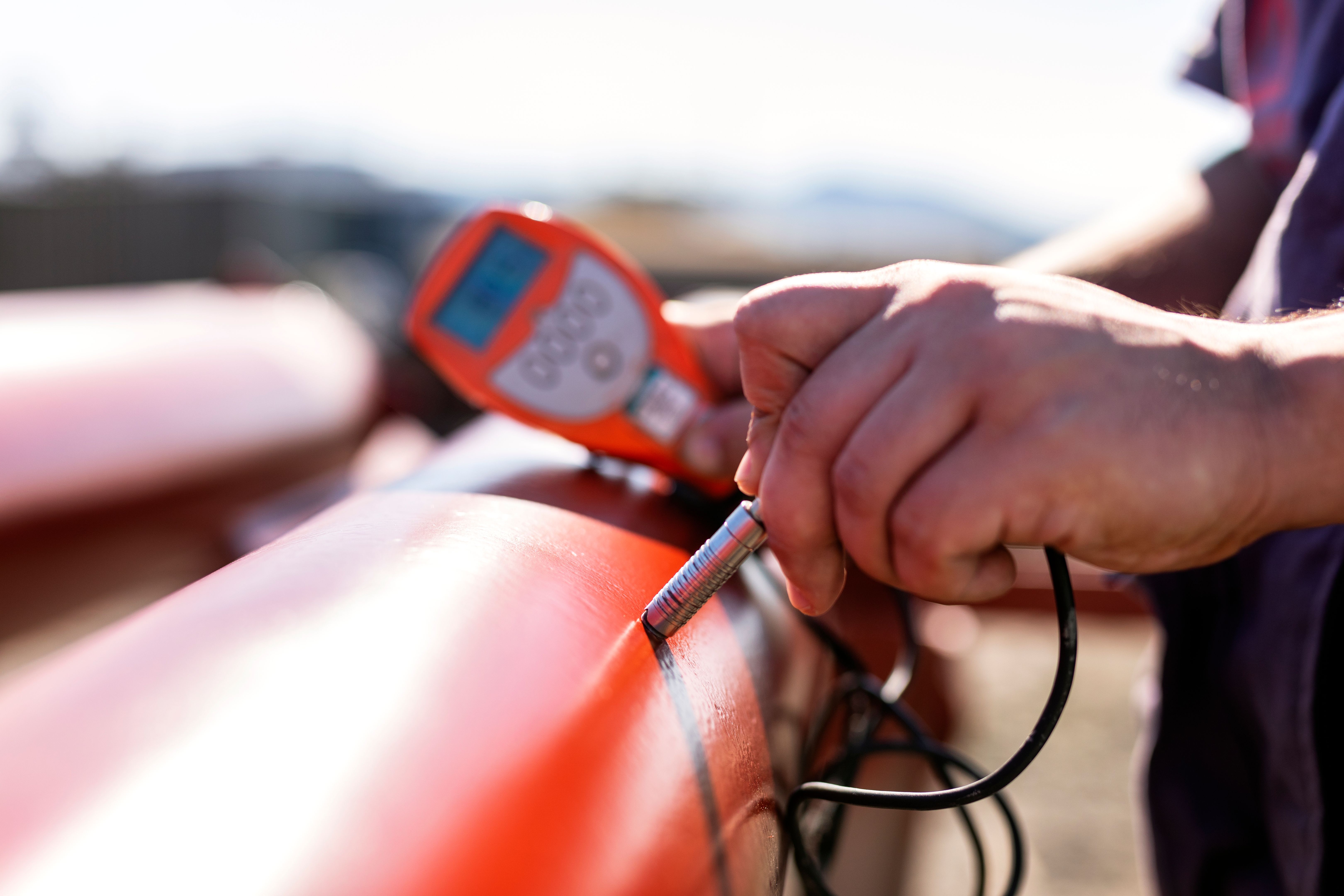
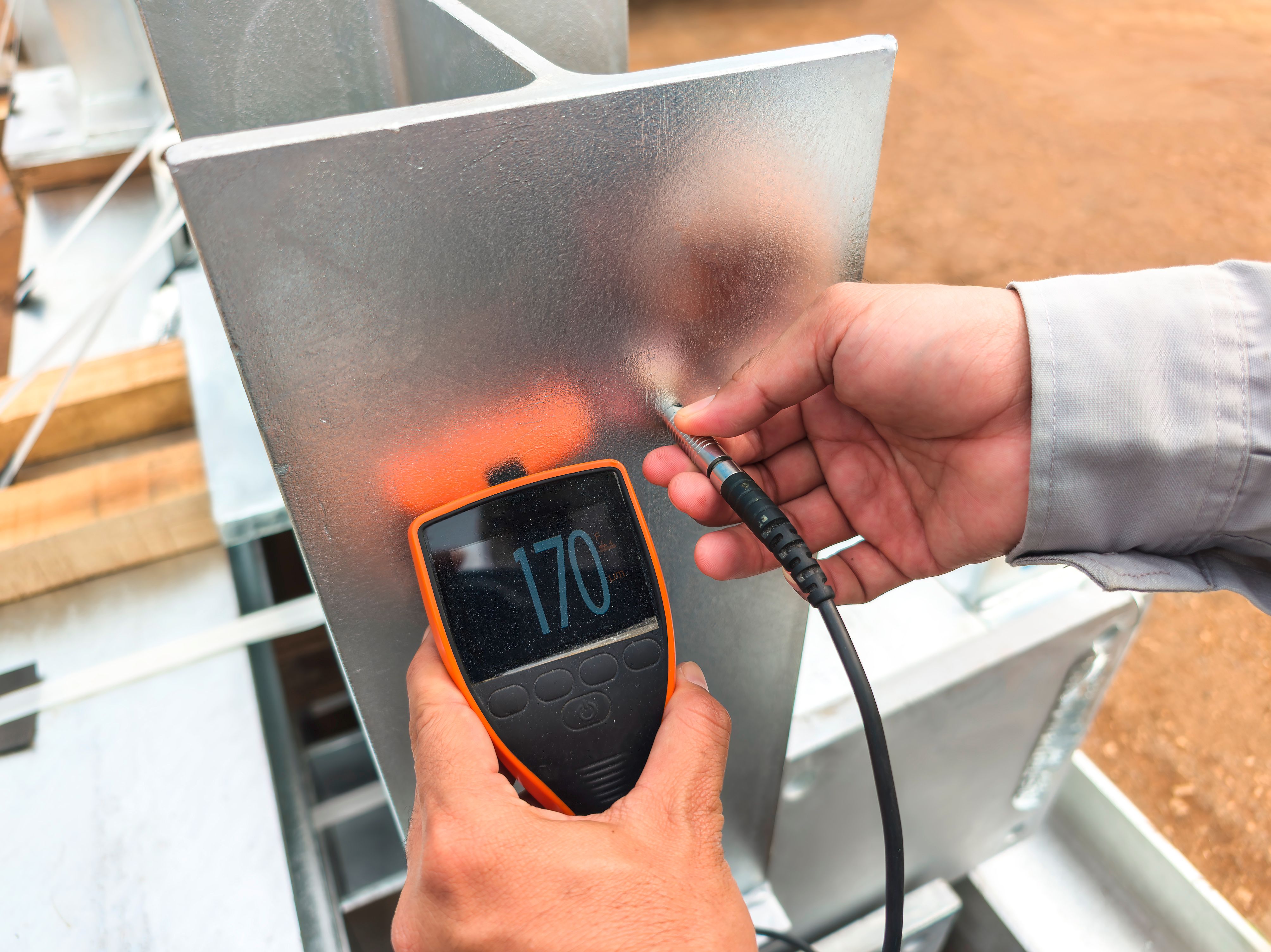
Overlooking Film Thickness
Another common error is not measuring the film thickness accurately. This can result in coatings that are too thin or too thick, affecting their protective qualities.
Solution
Use calibrated gauges to measure the film thickness at different stages. Ensure that all measurements are within the specified range and adjust the application process if necessary.
Failure to Document
Proper documentation is often neglected, leading to confusion and errors in the inspection process. Without detailed records, it becomes challenging to track progress and identify issues.
Solution
Maintain comprehensive records of all inspections, including surface conditions, environmental factors, and coating thickness. Use digital tools to streamline the documentation process and ensure easy access to information.
Conclusion
Avoiding these common coating inspection mistakes requires diligent preparation and attention to detail. By focusing on thorough surface preparation, monitoring environmental conditions, accurately measuring film thickness, and maintaining detailed documentation, you can significantly enhance the quality and effectiveness of your coating inspections.